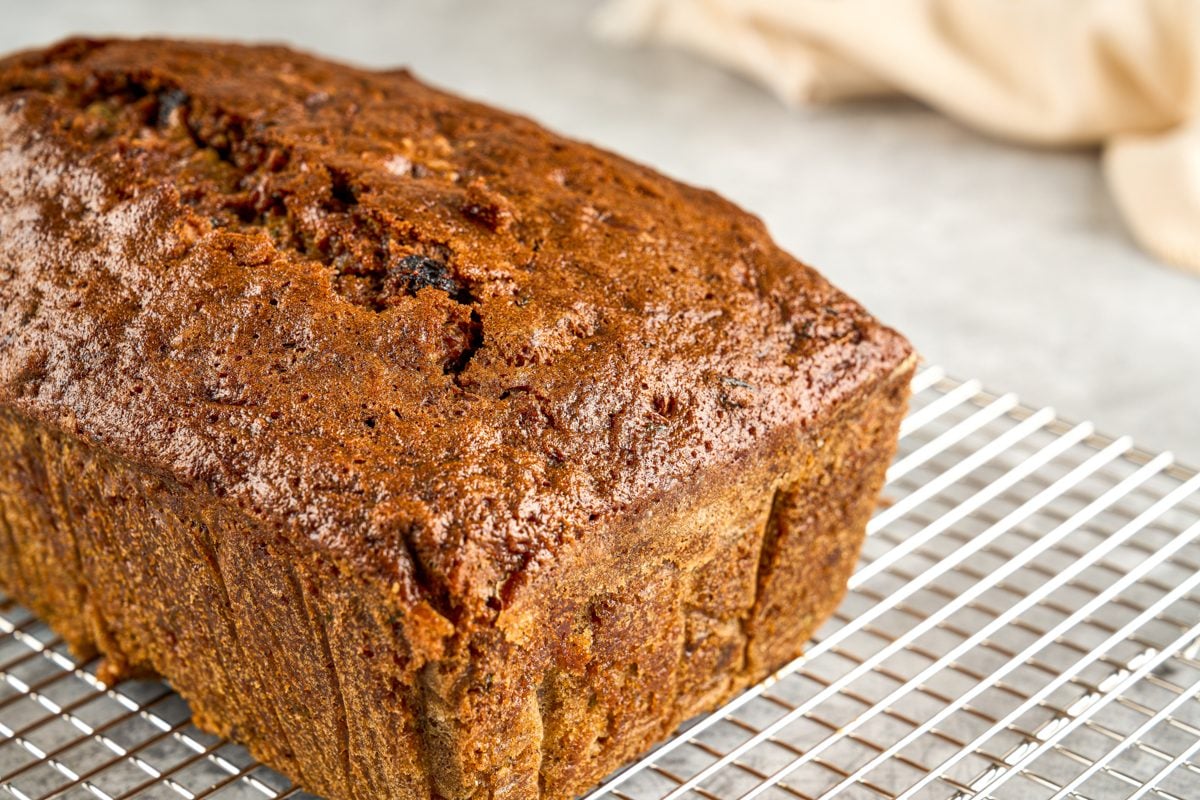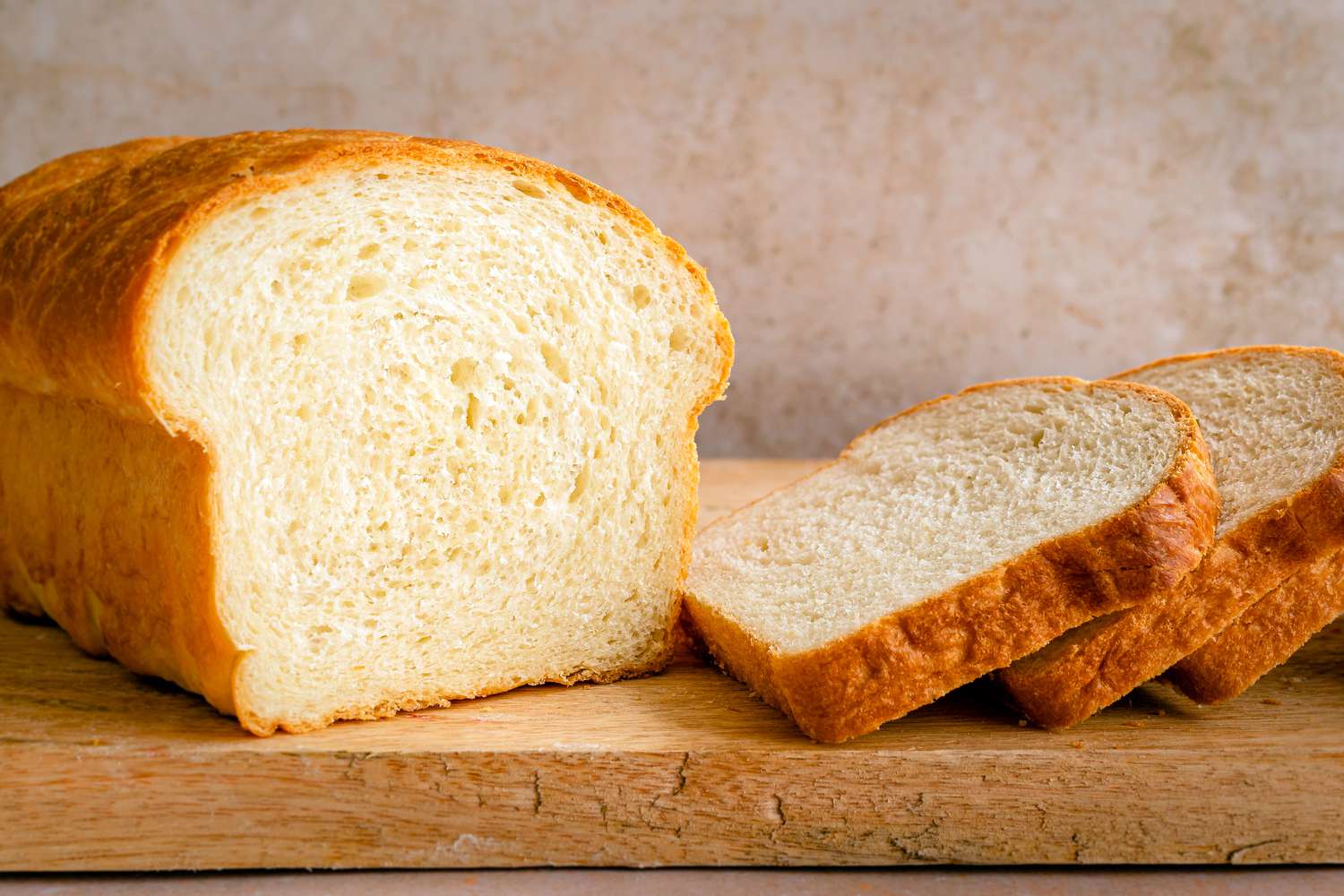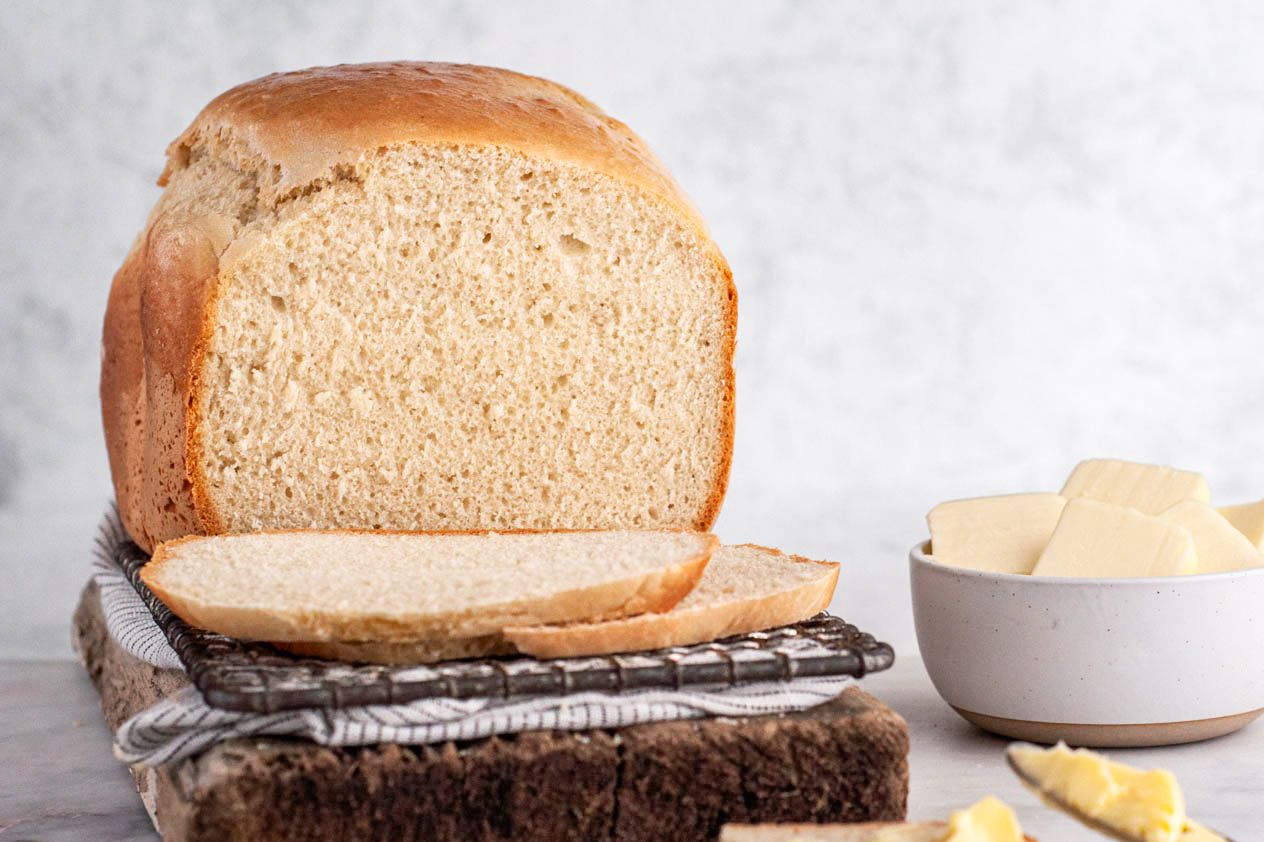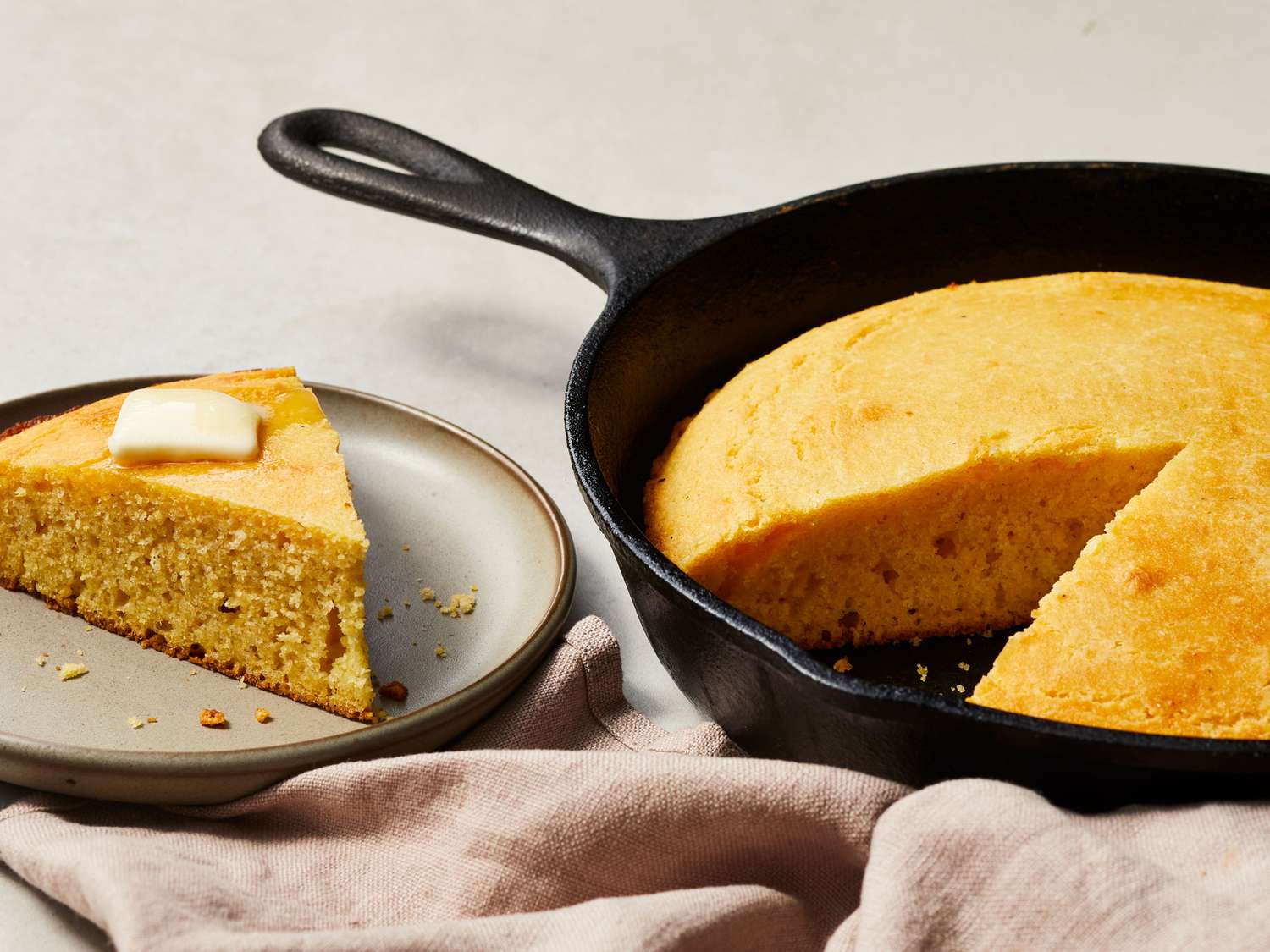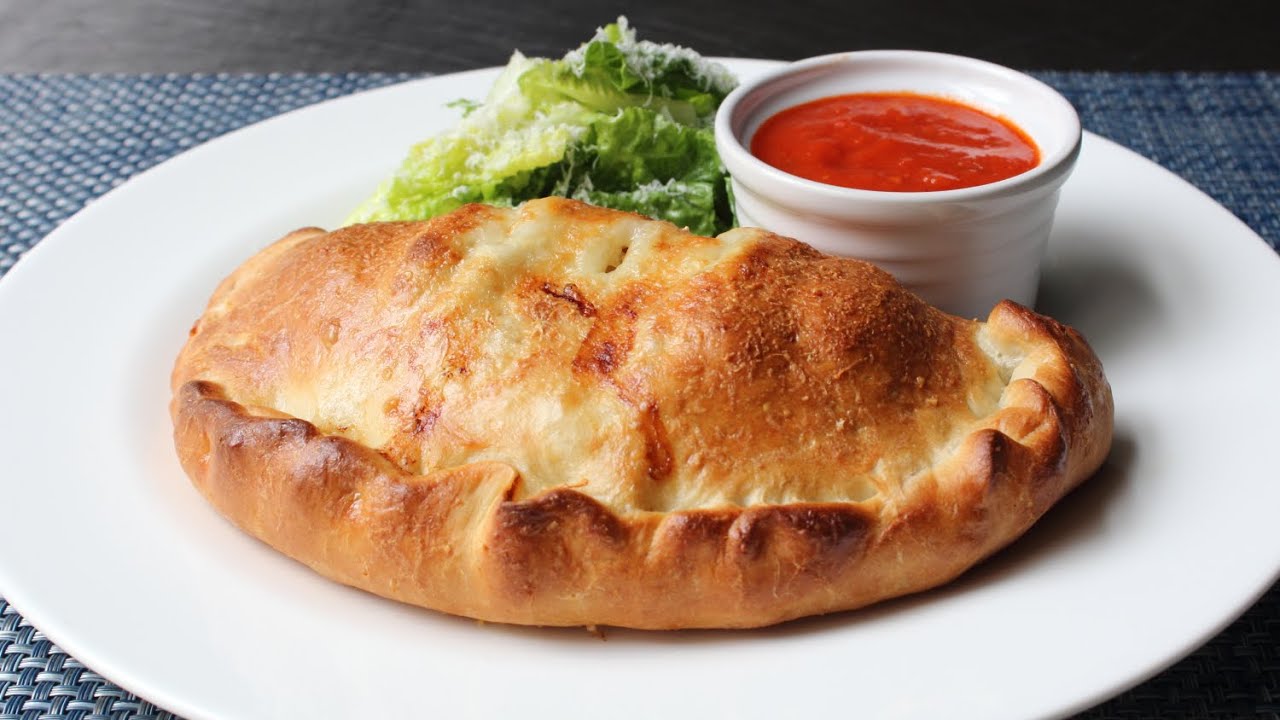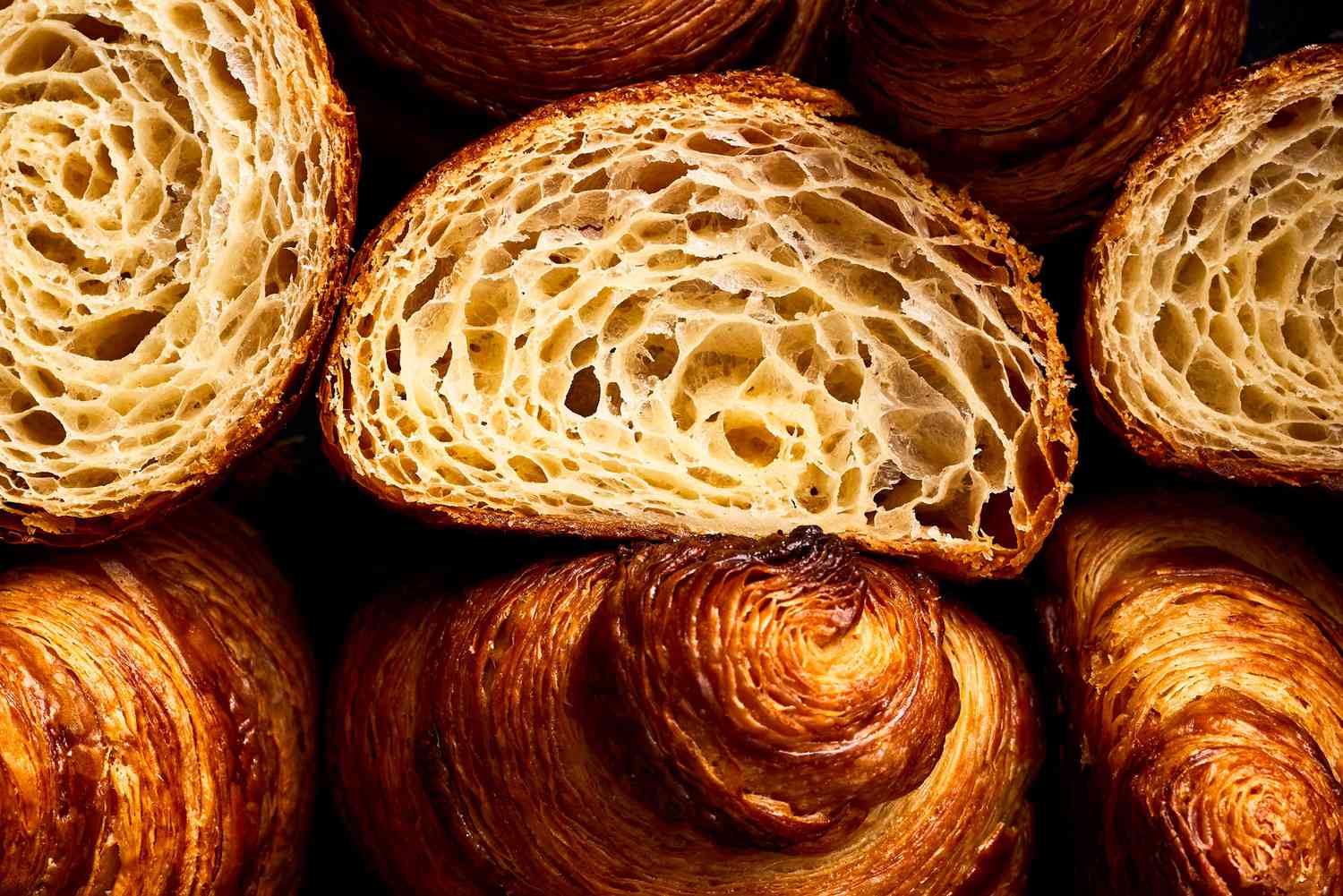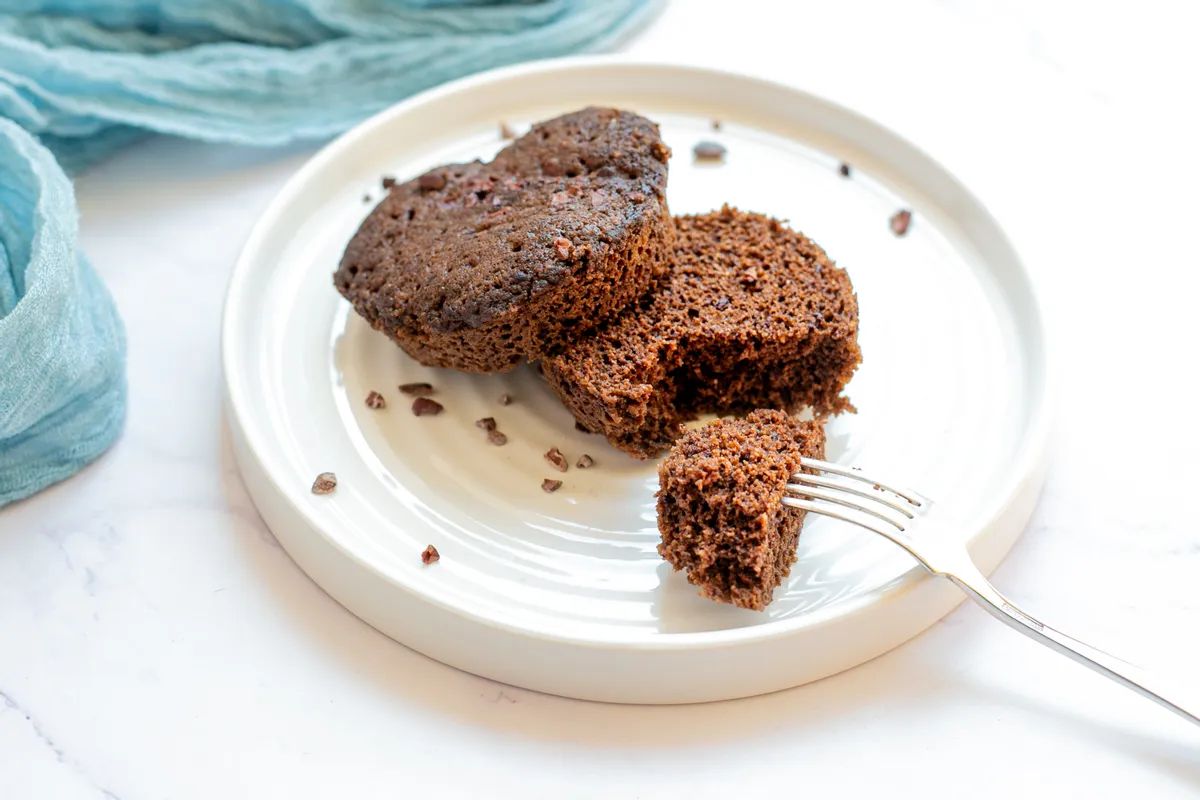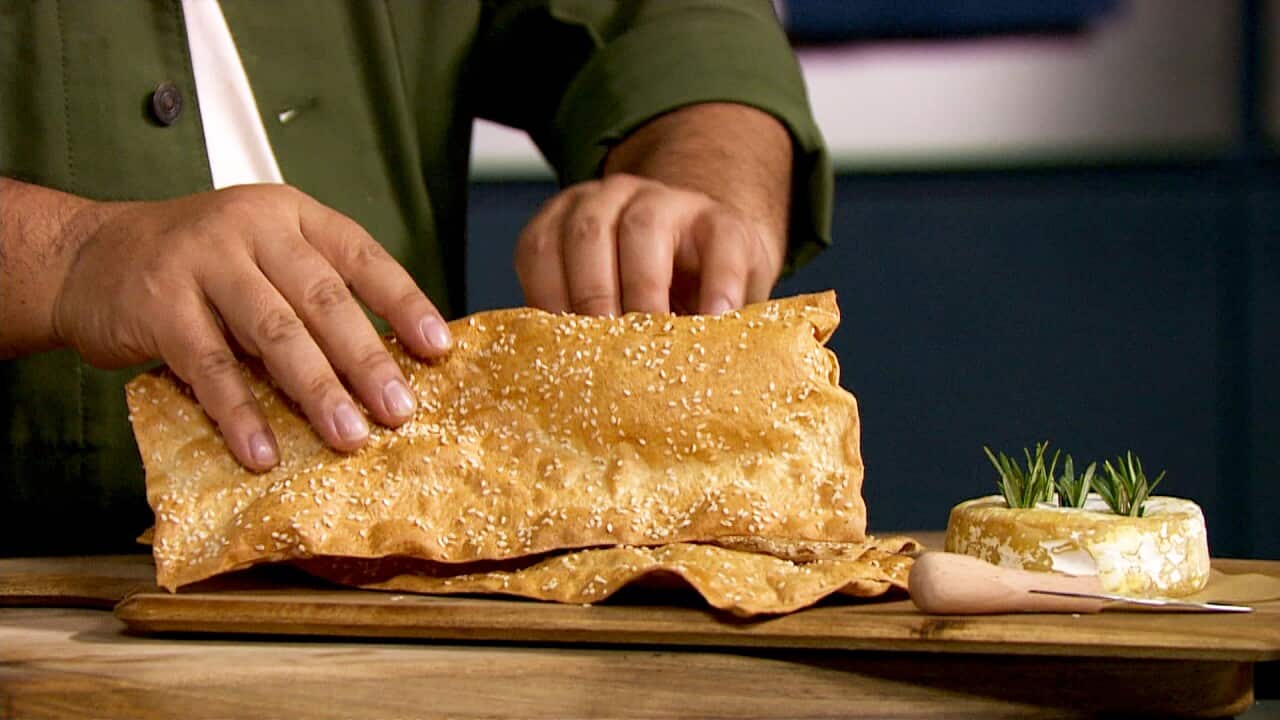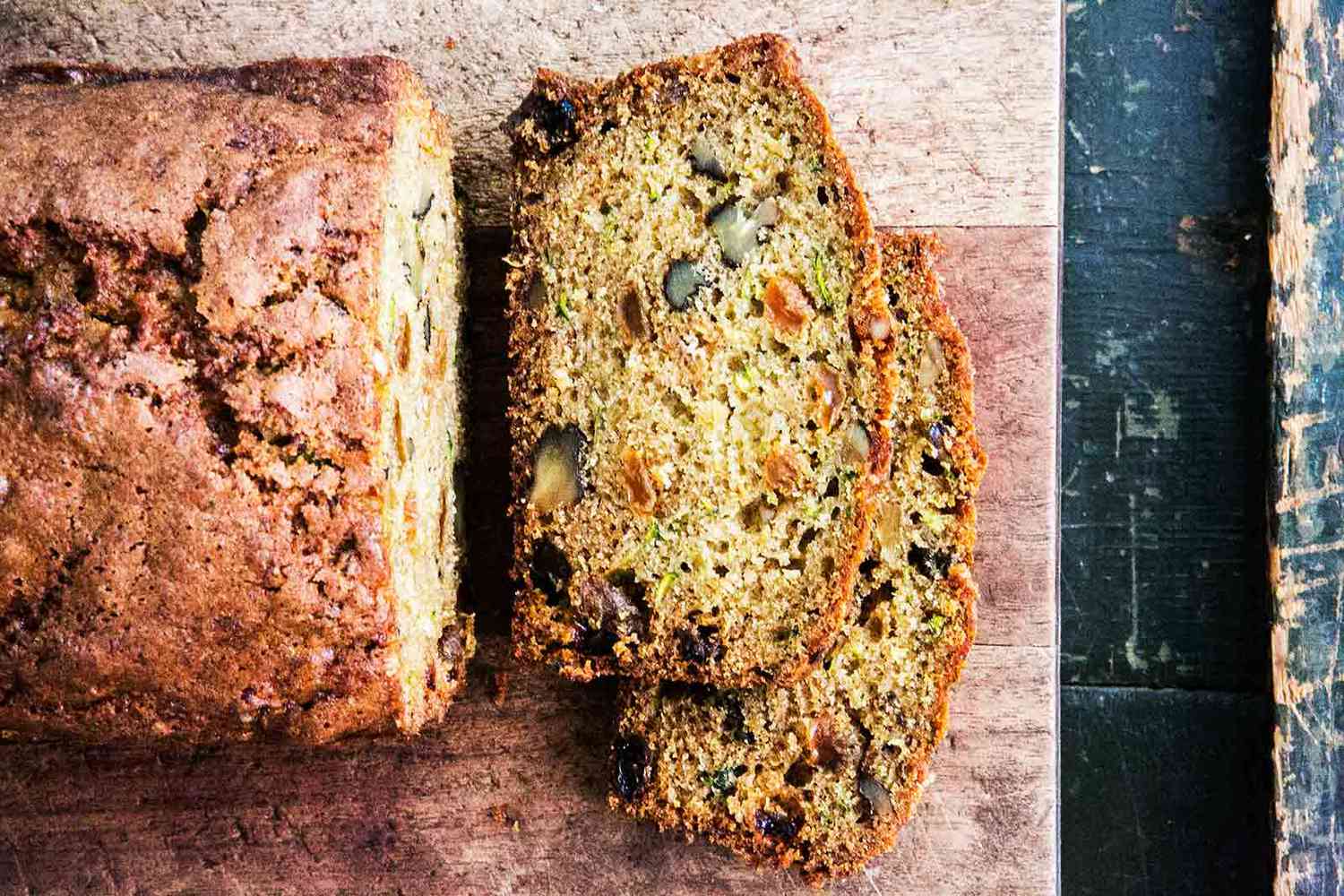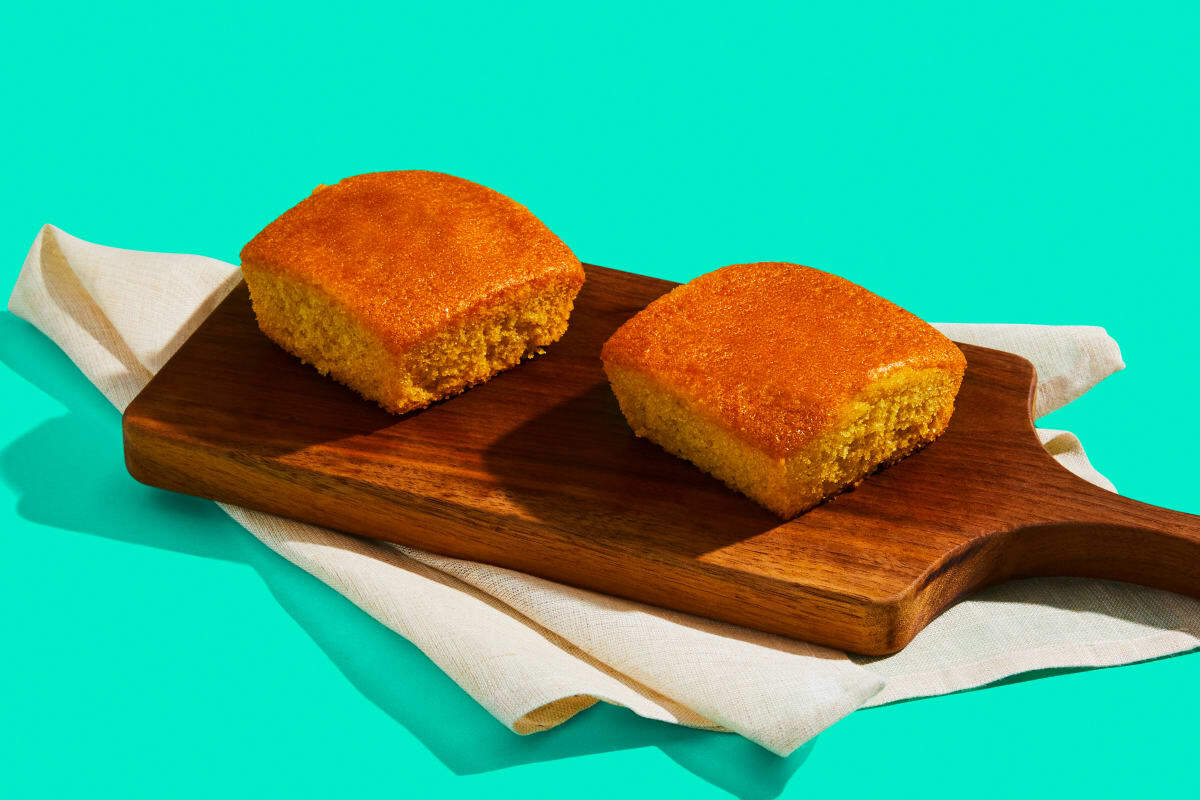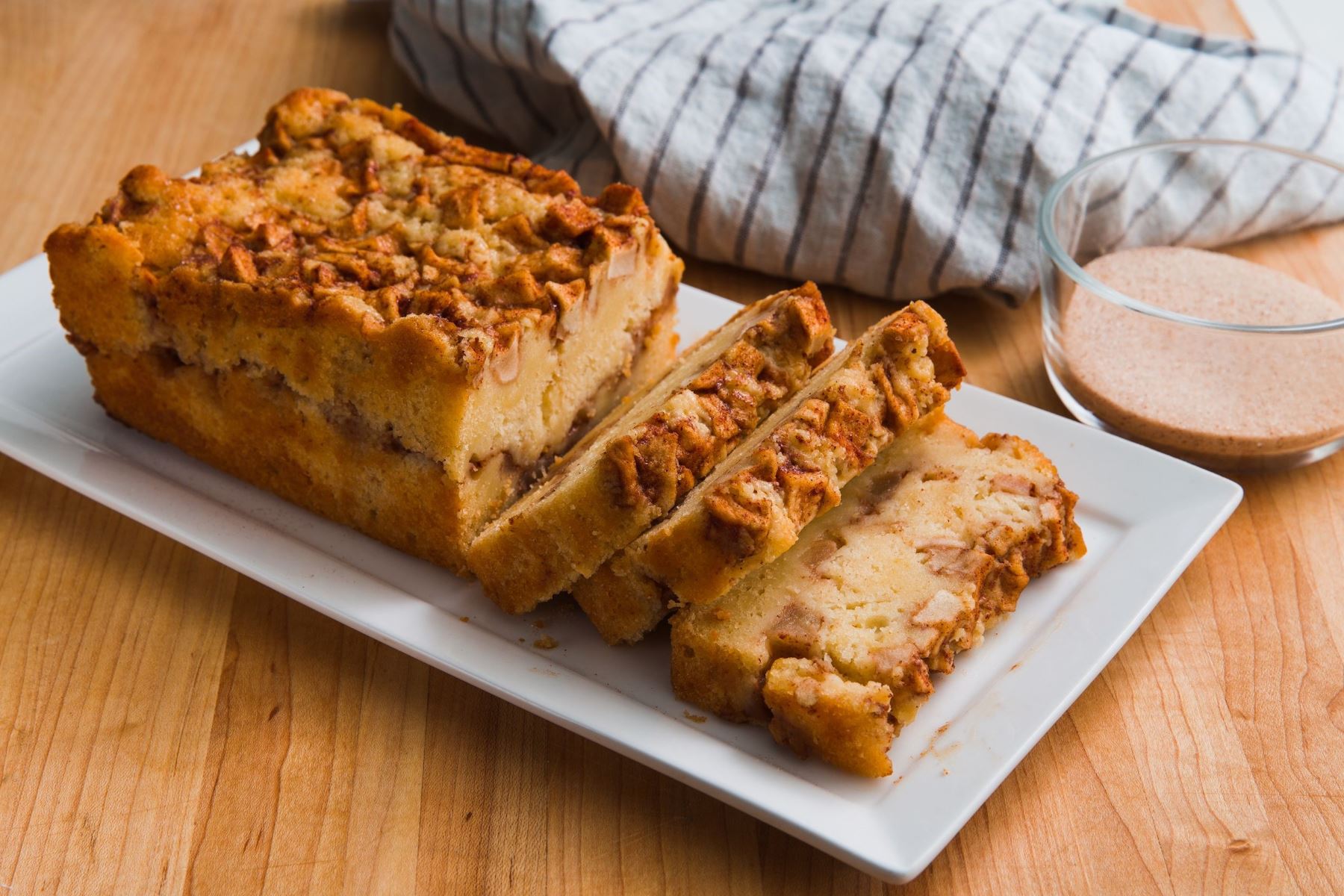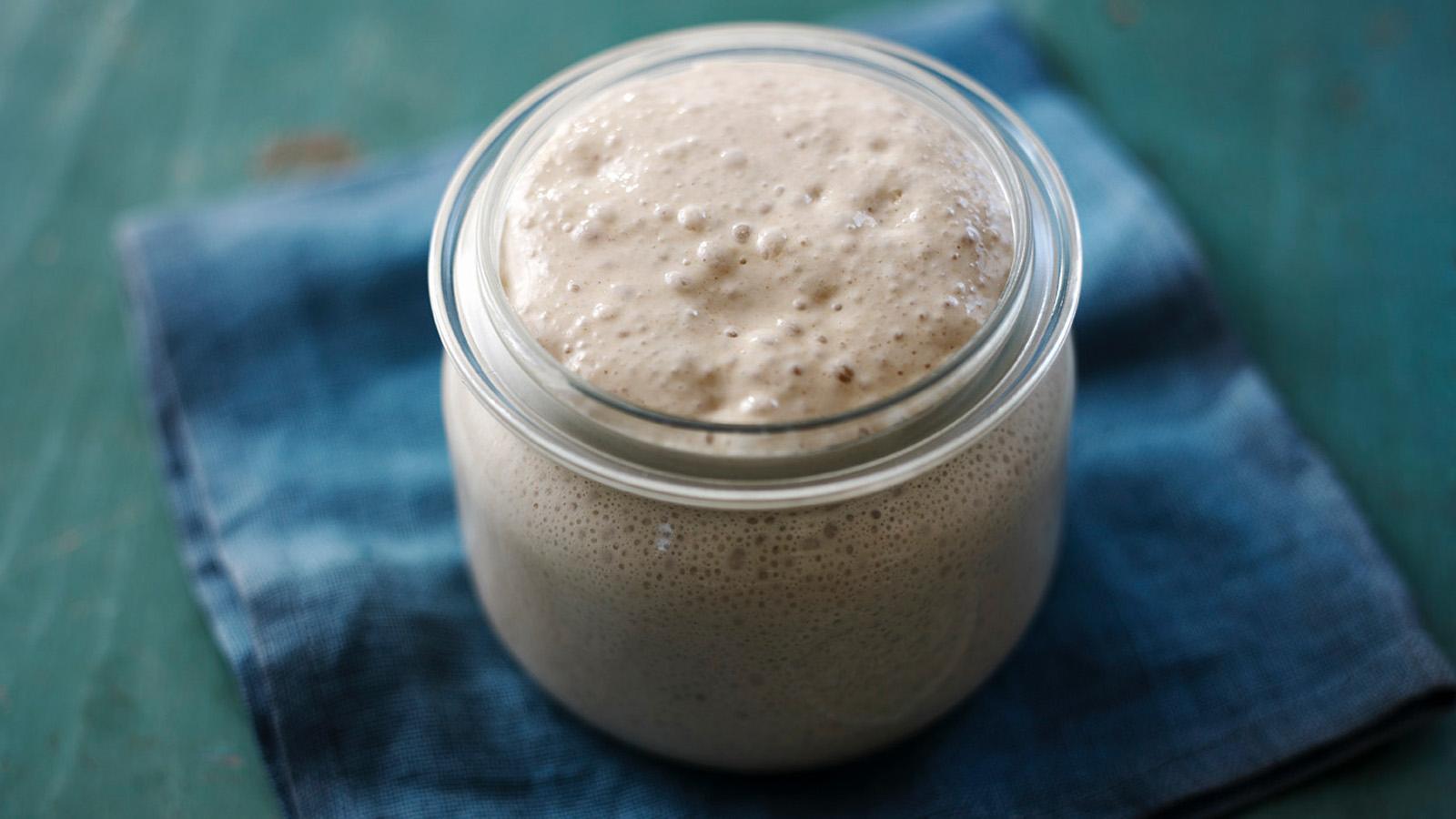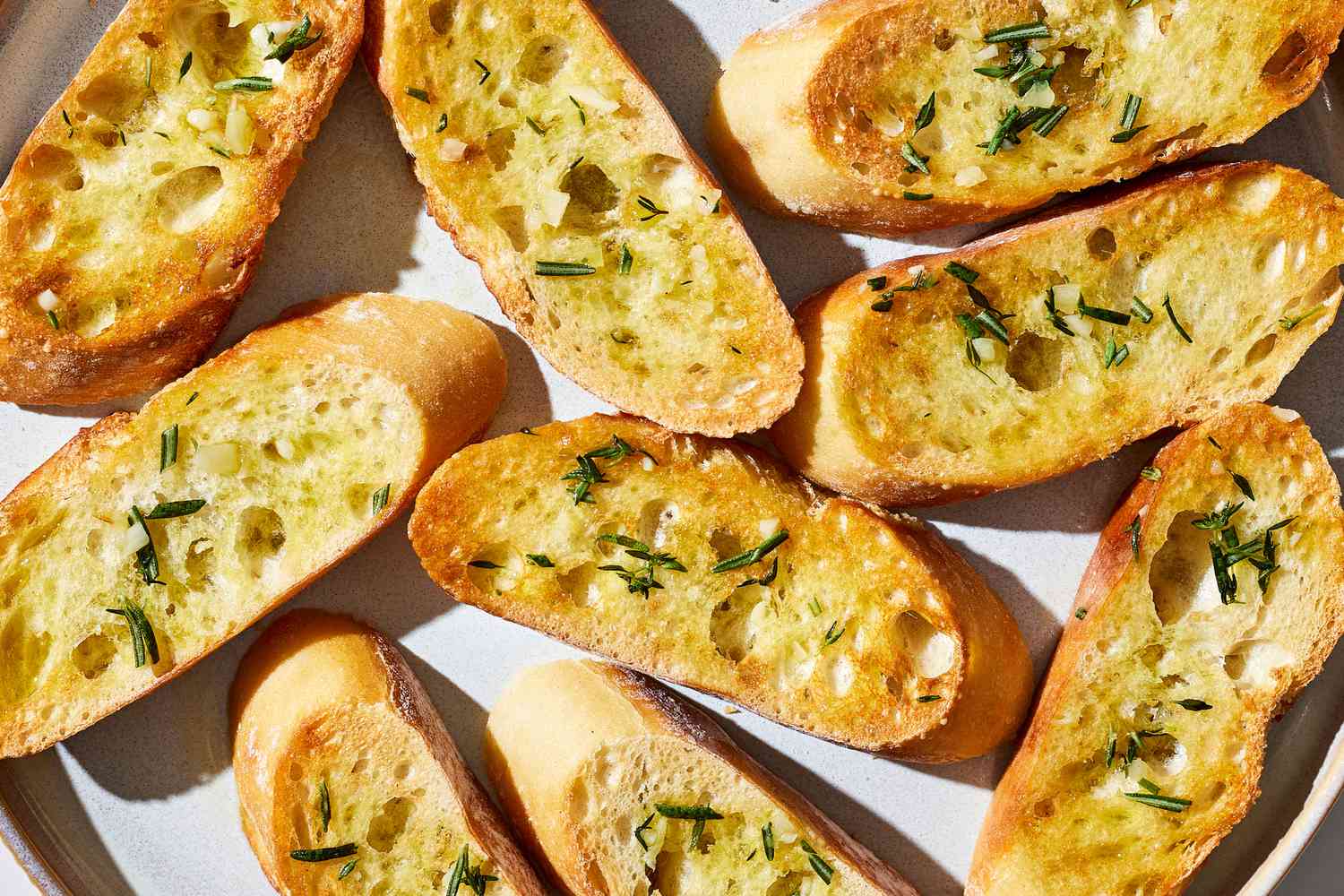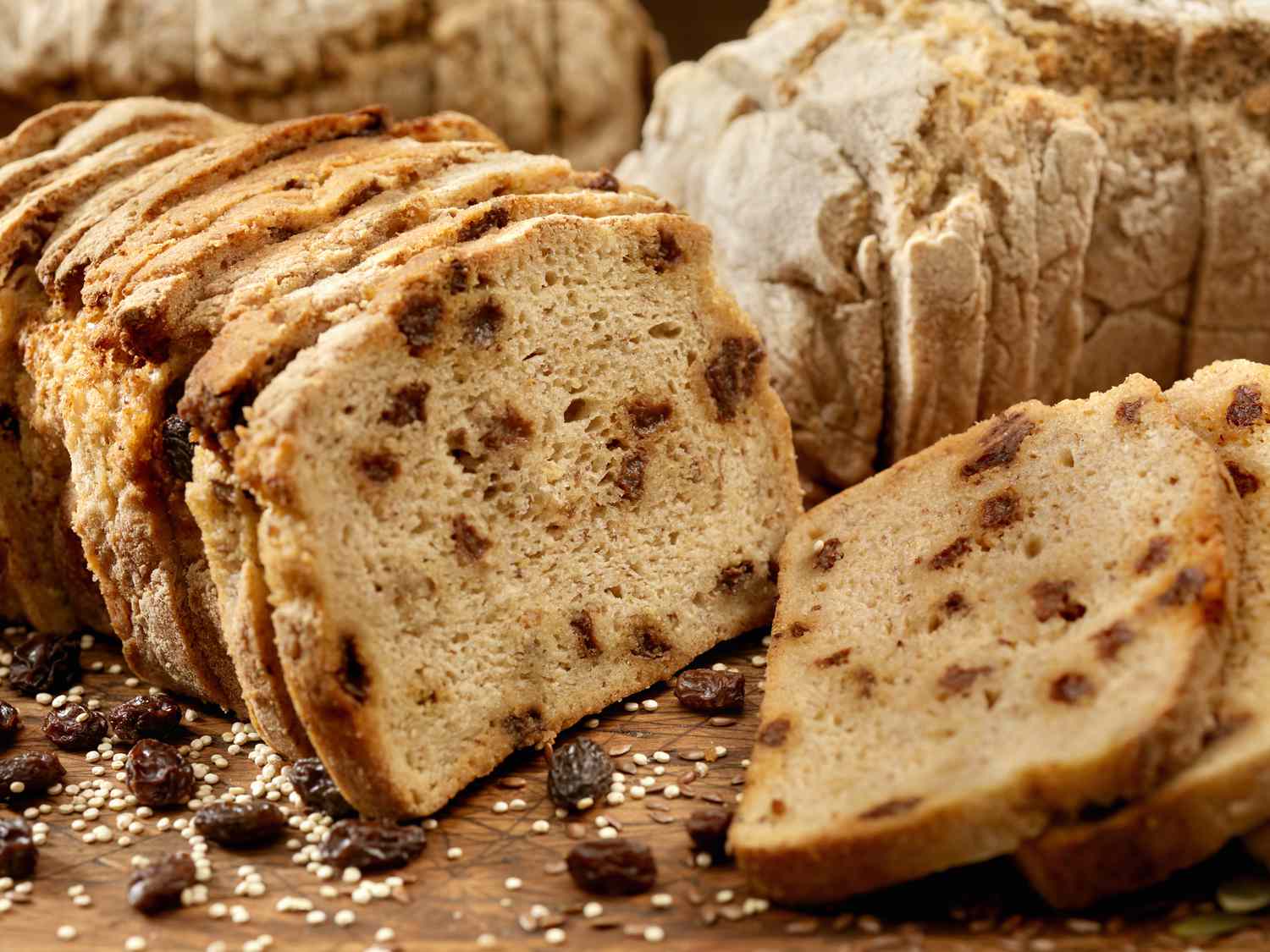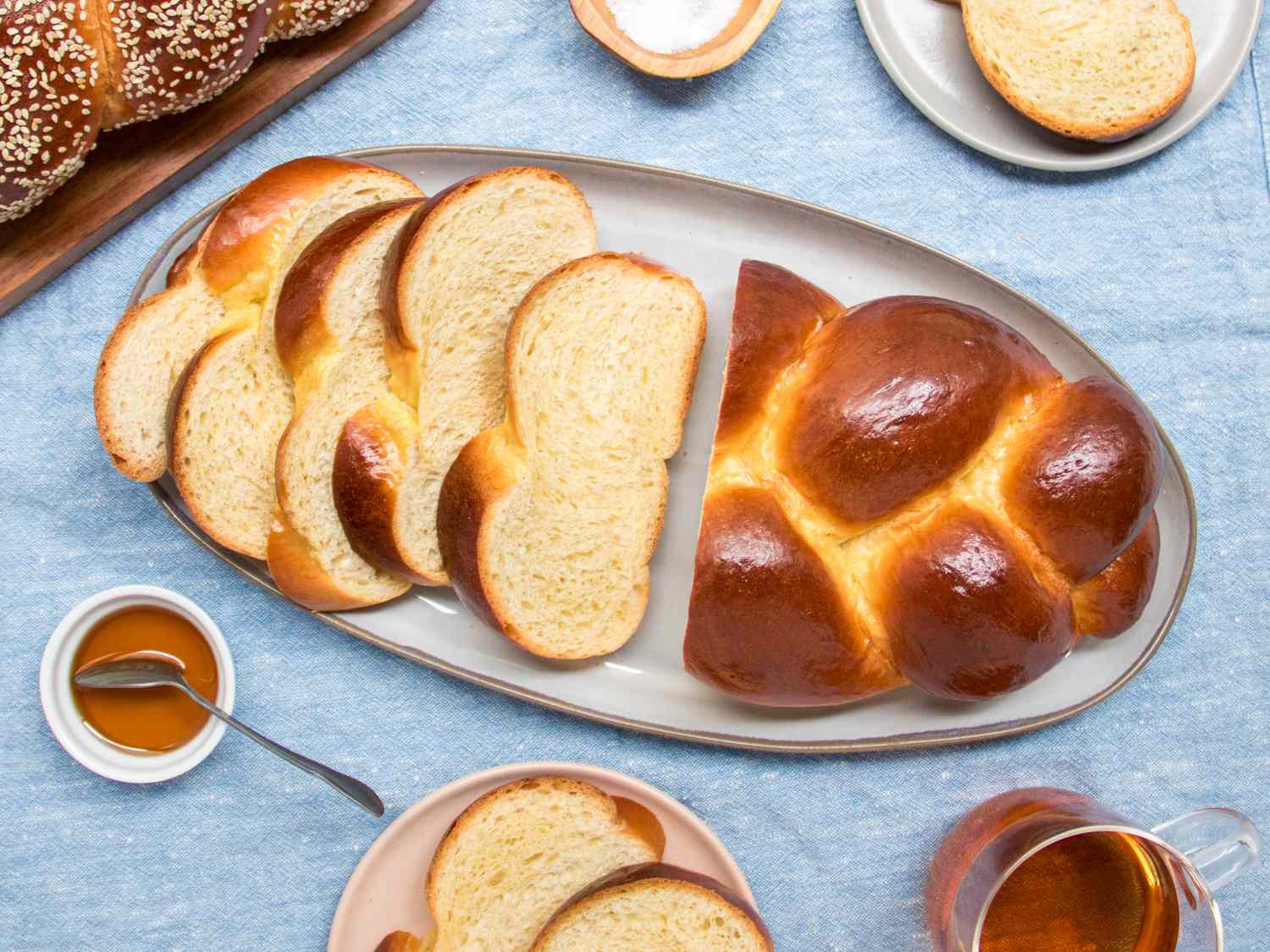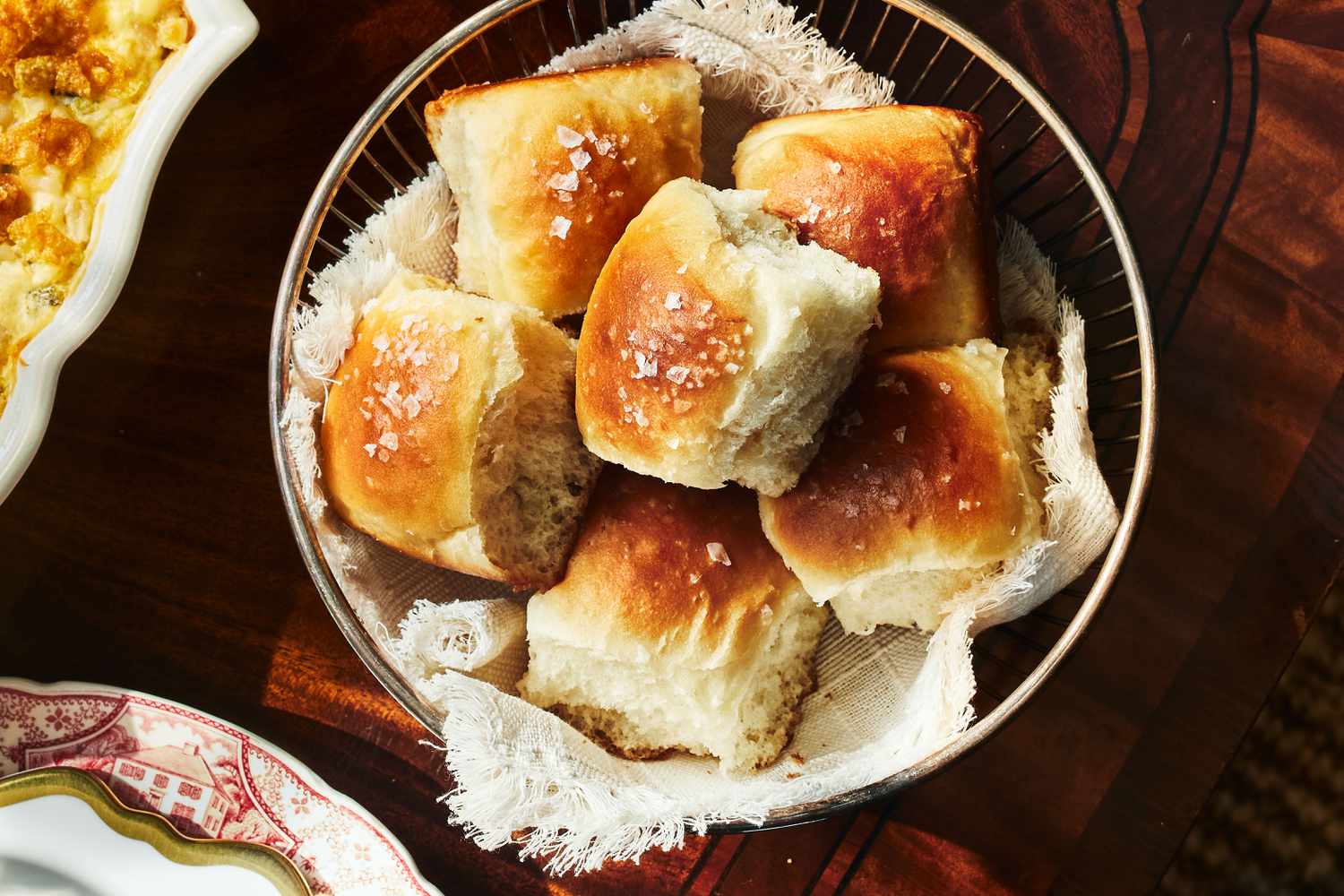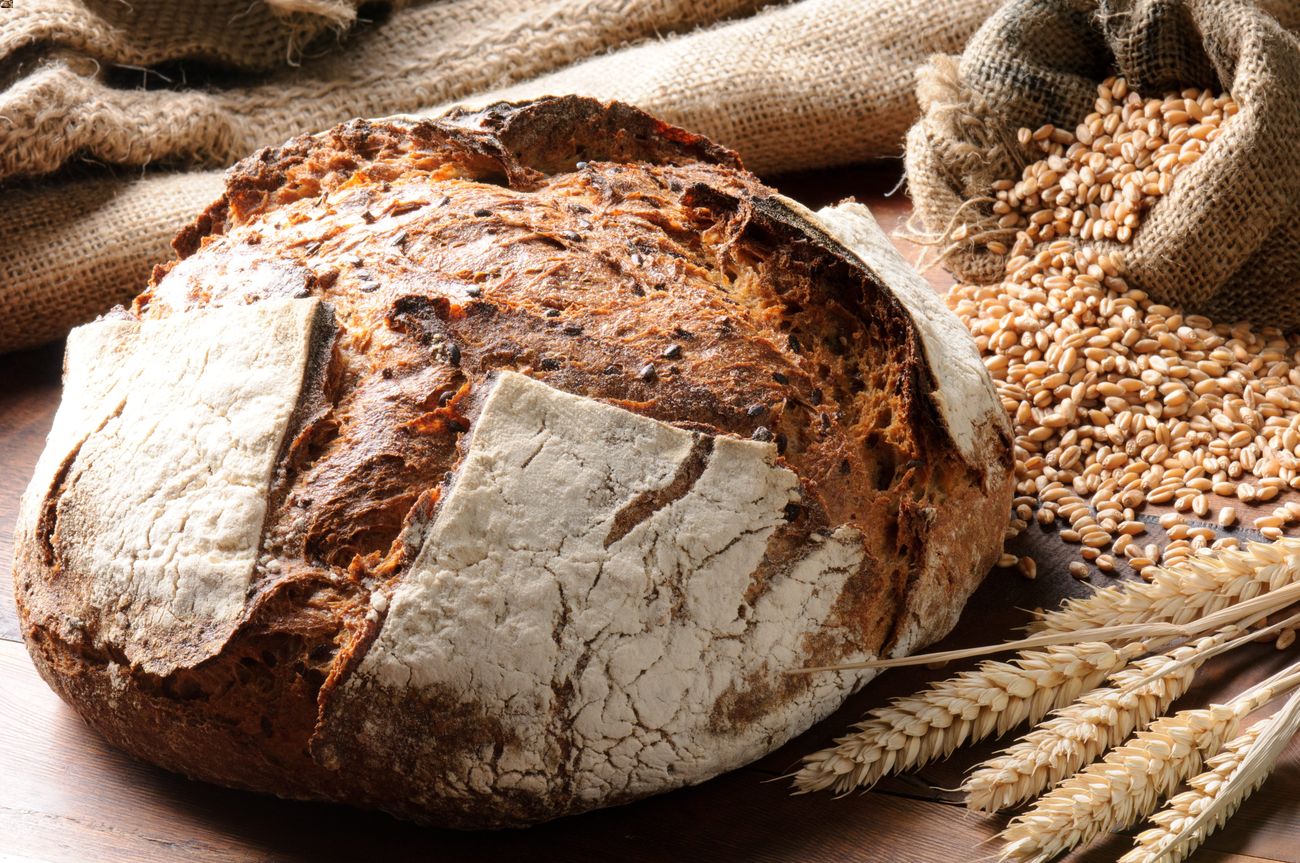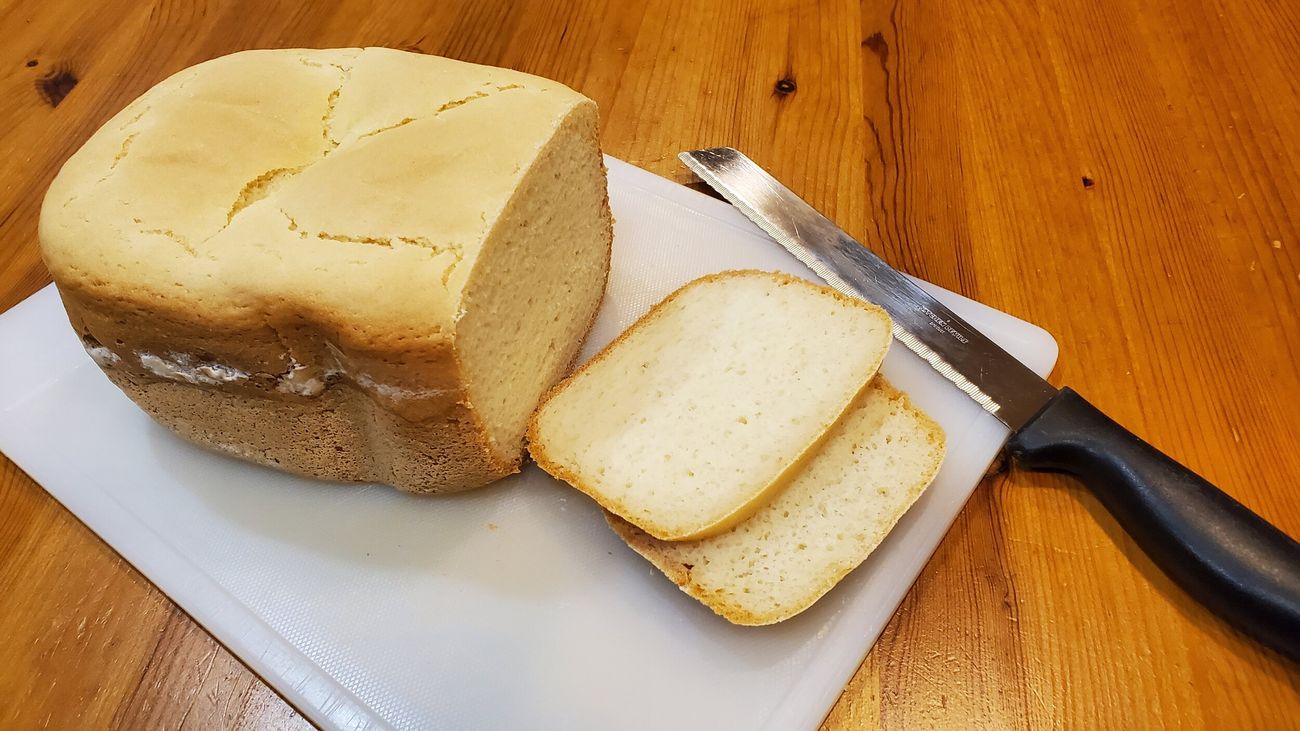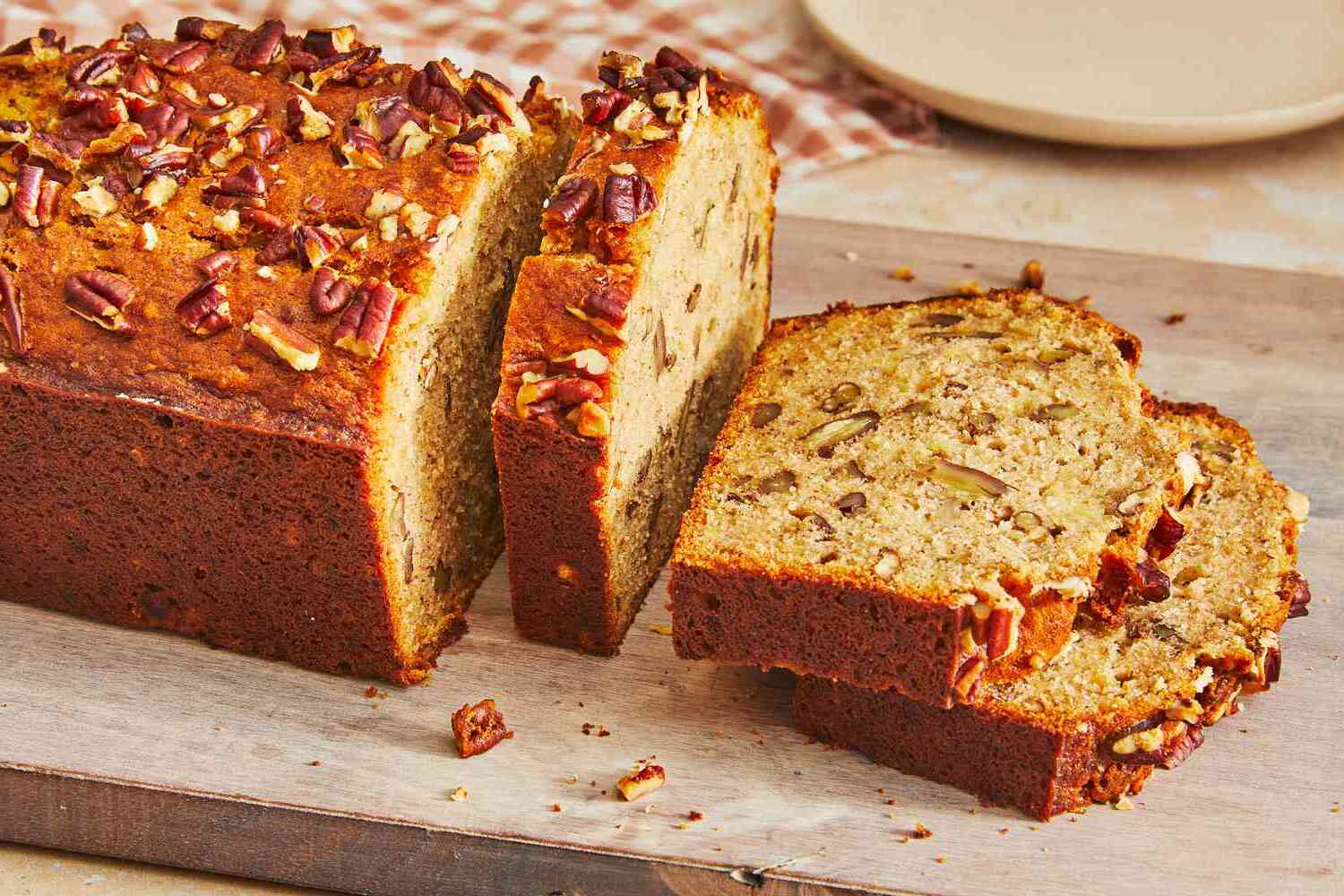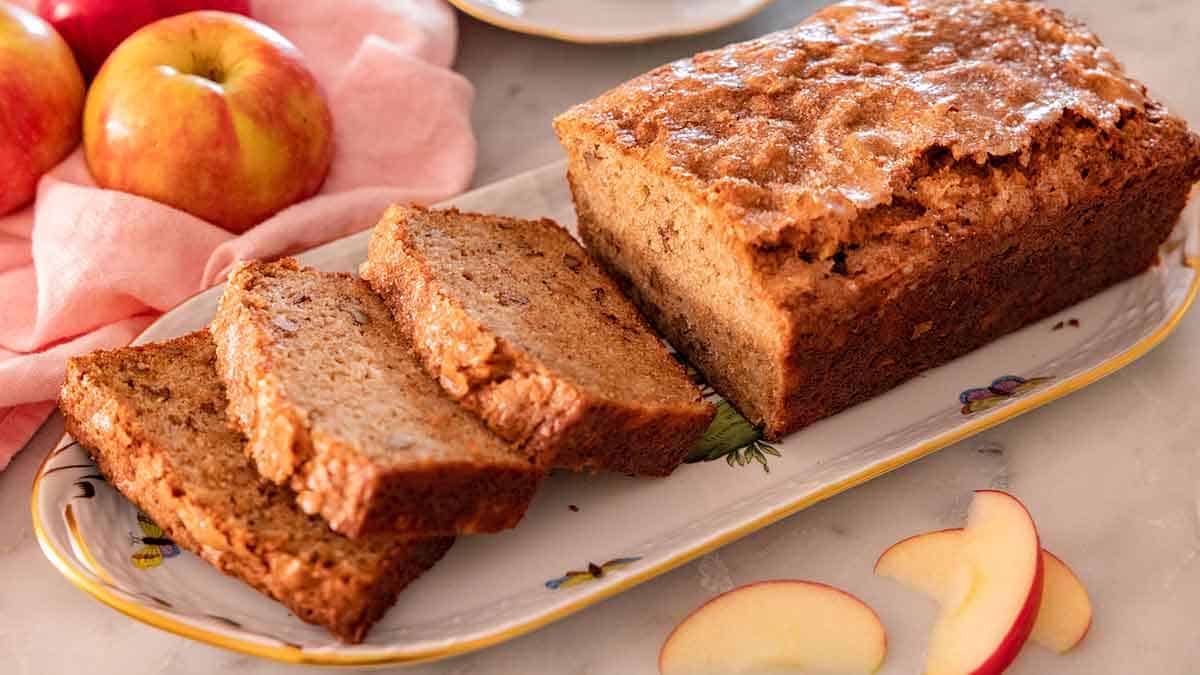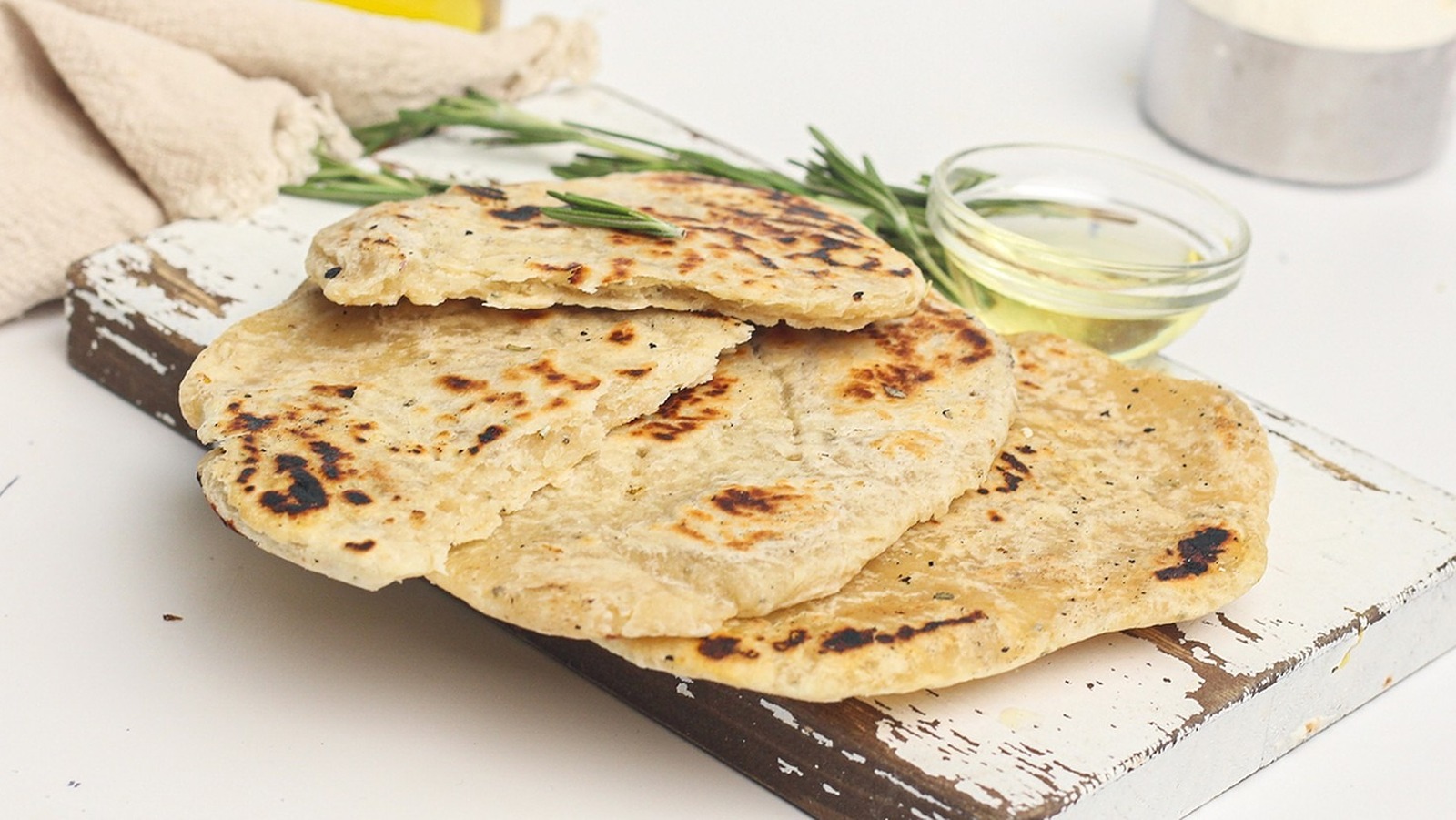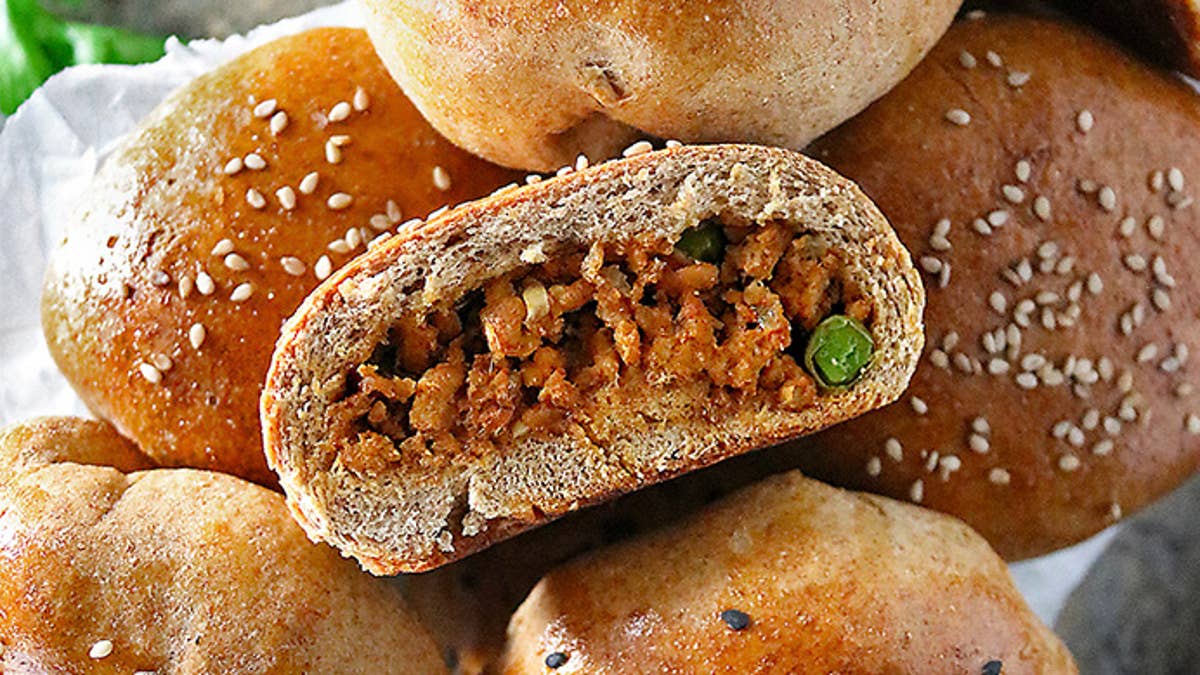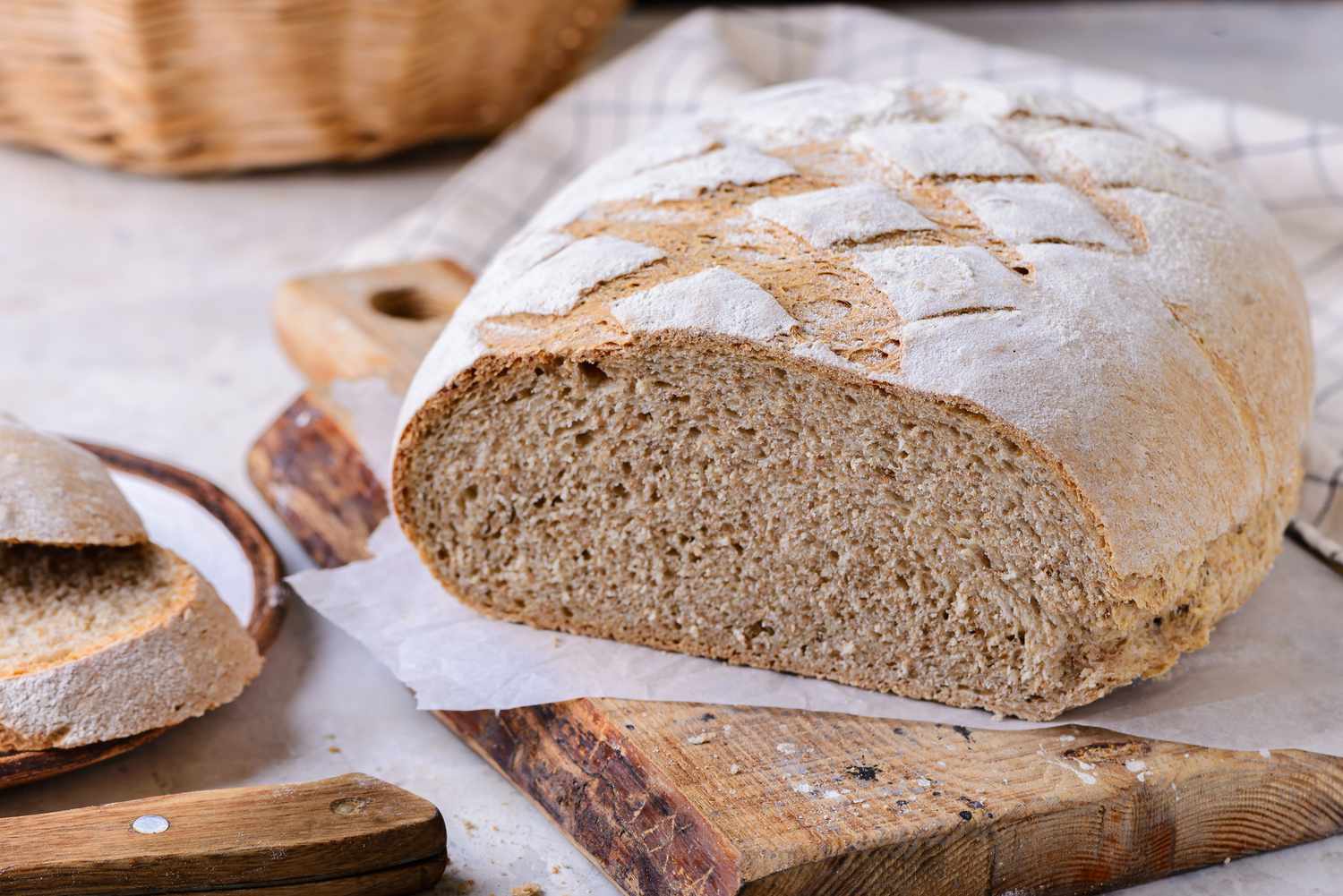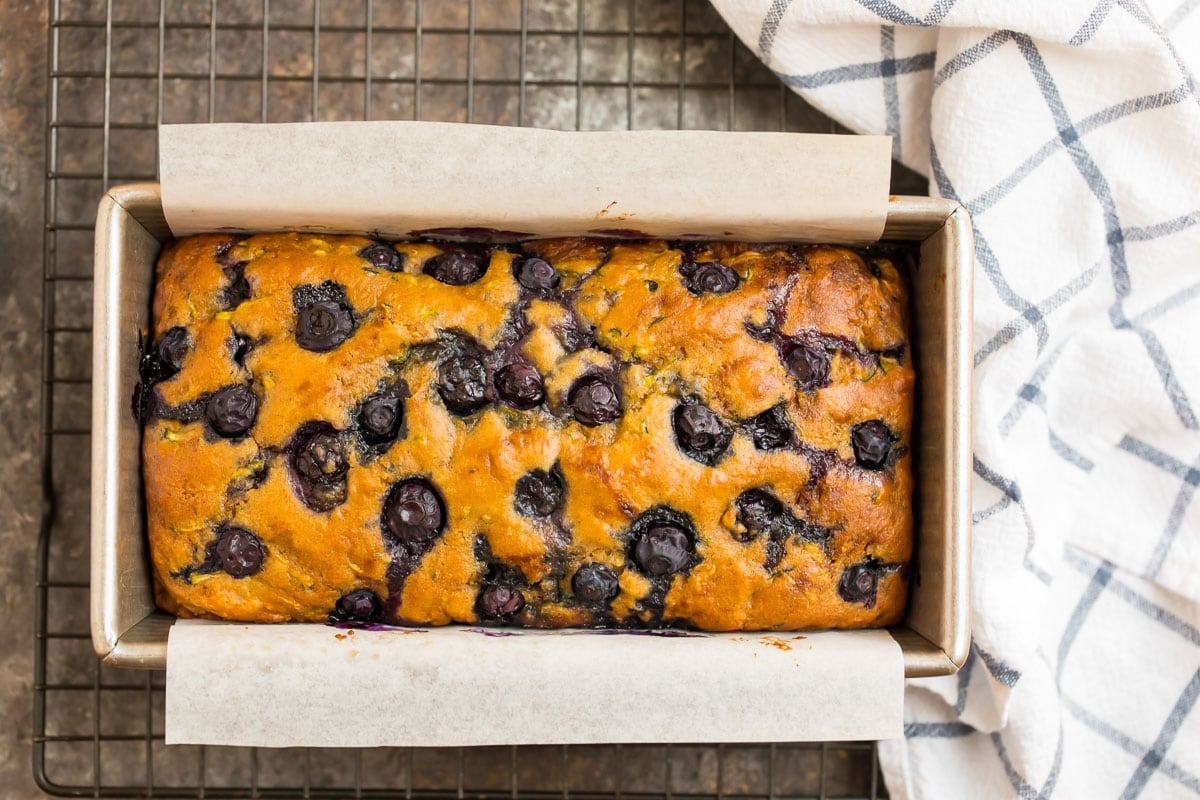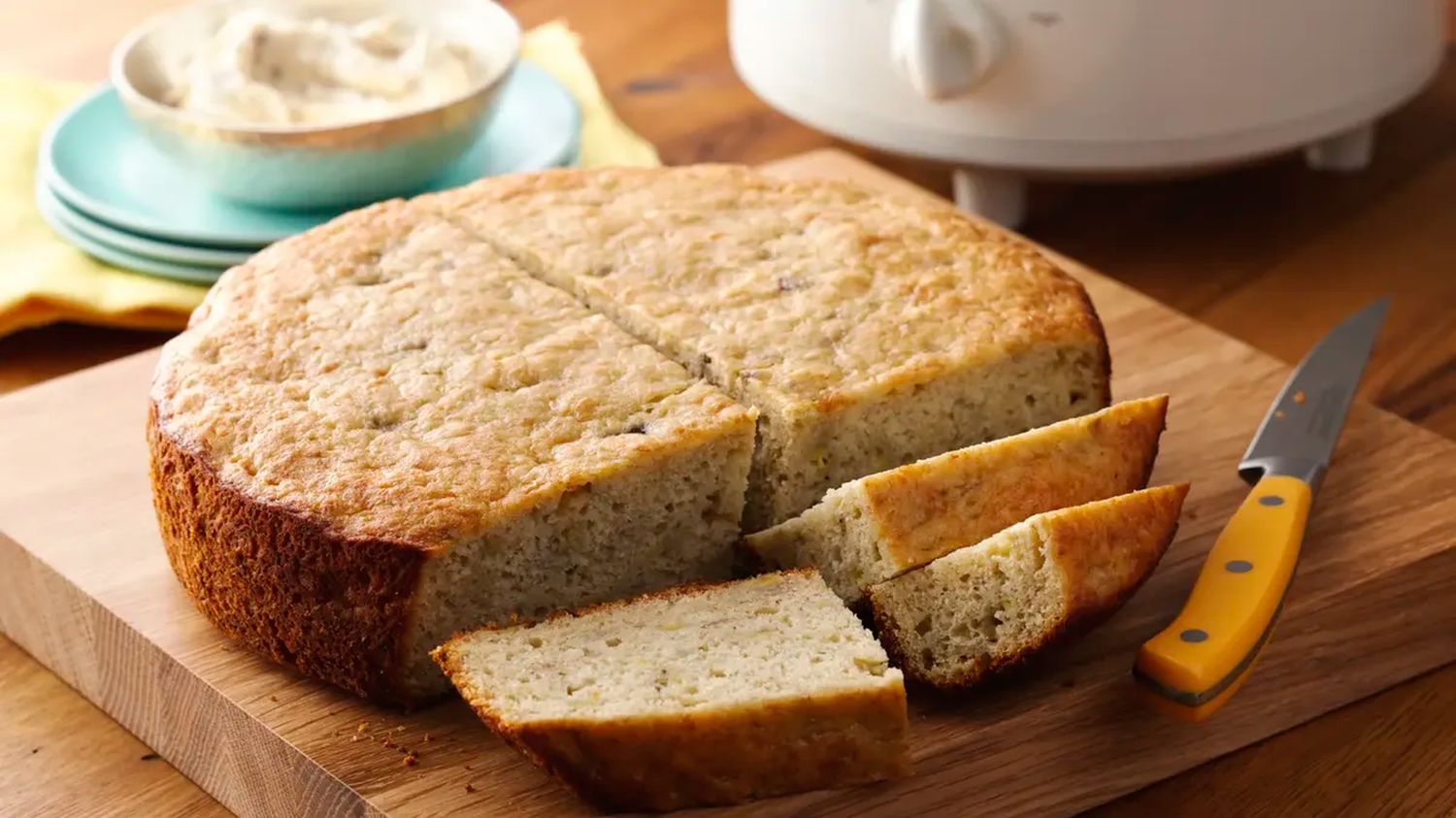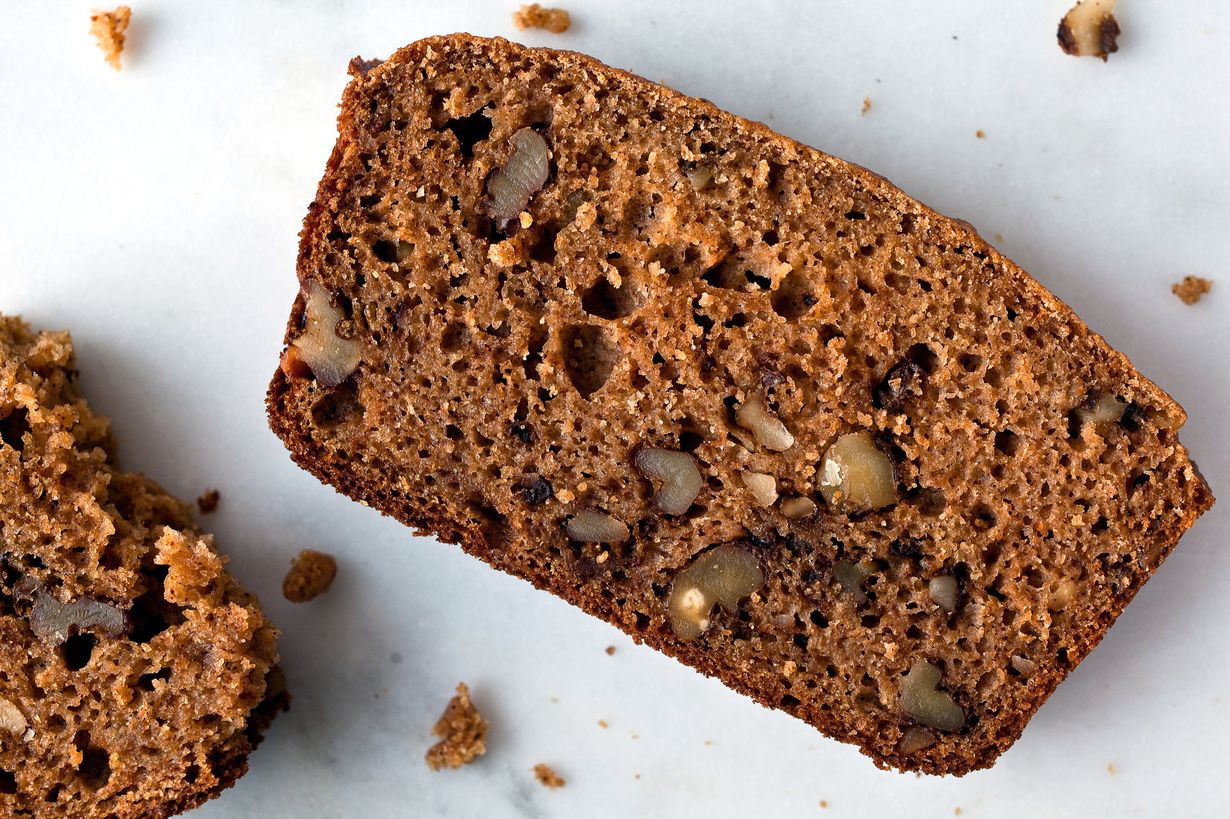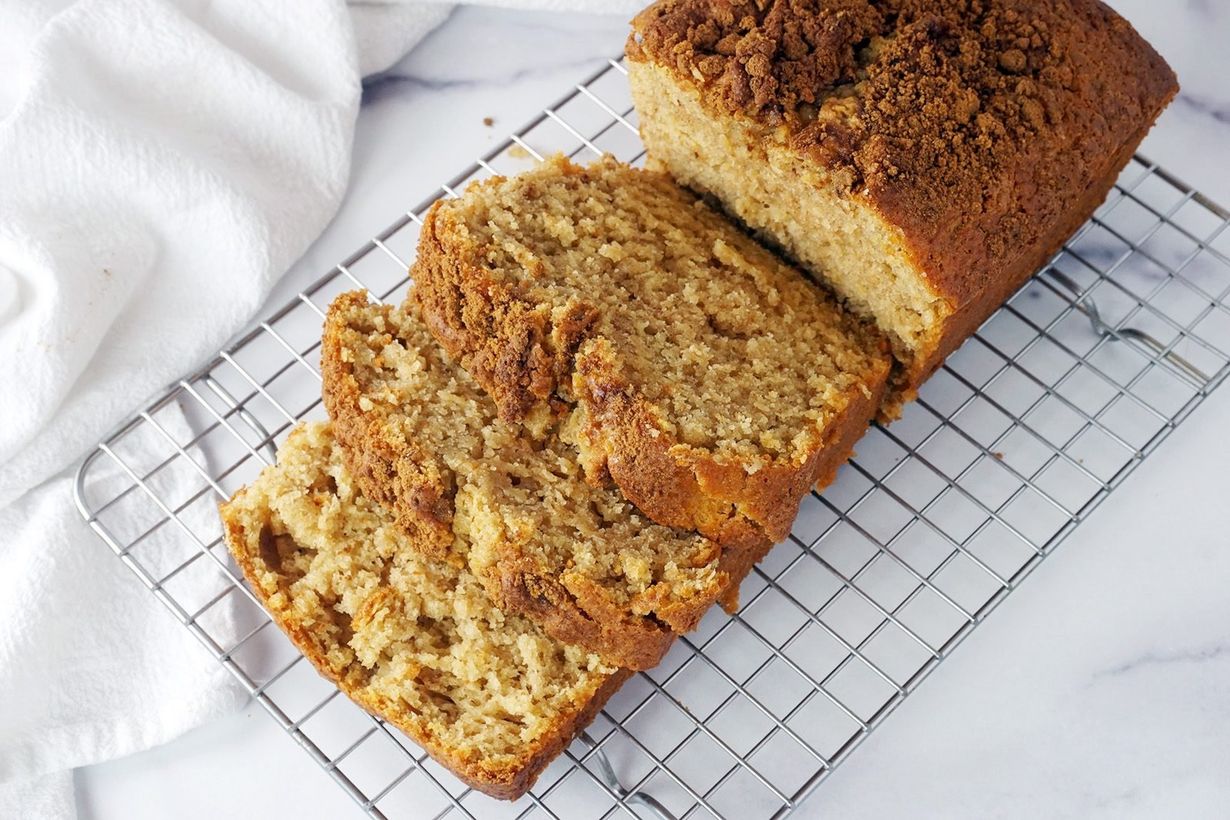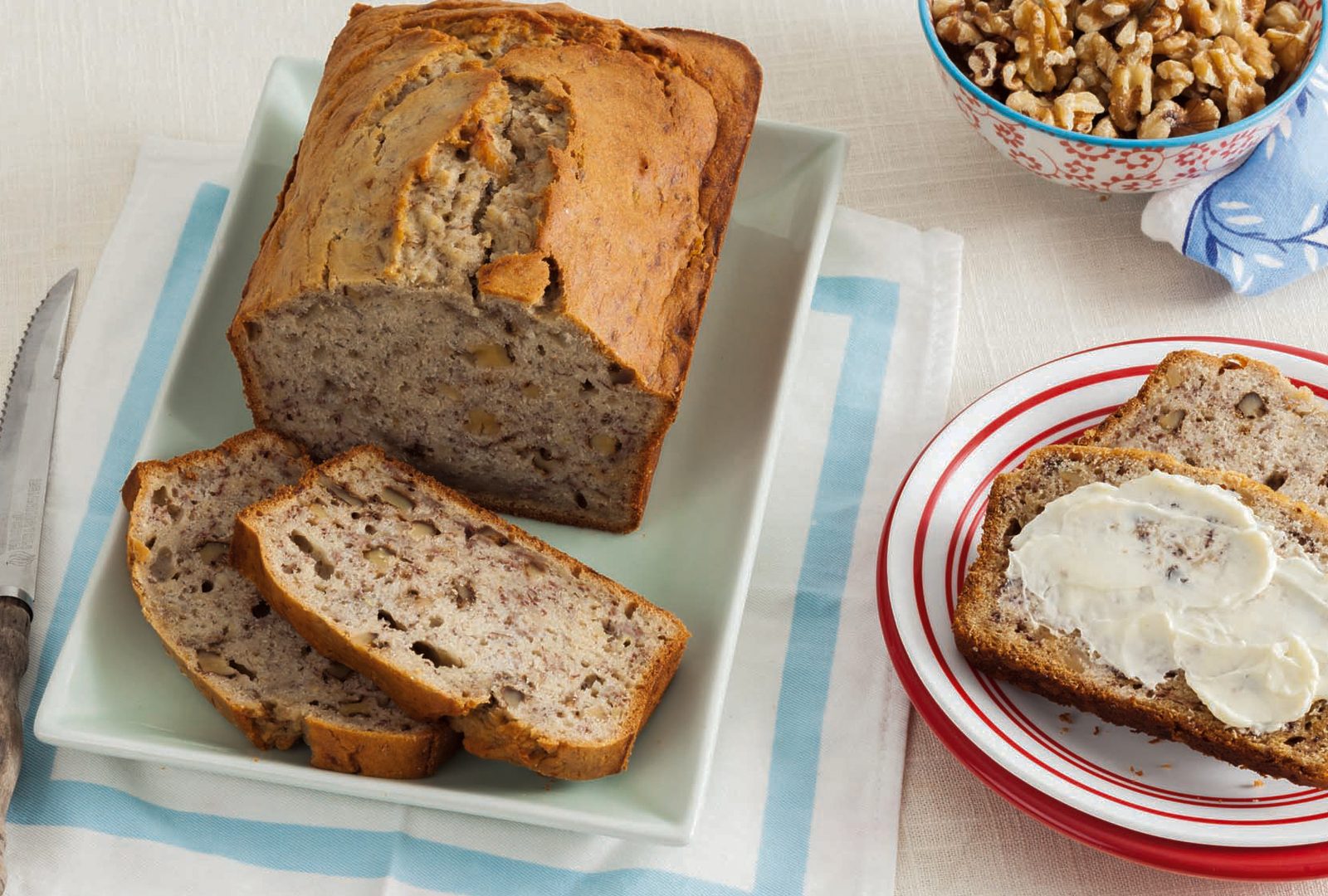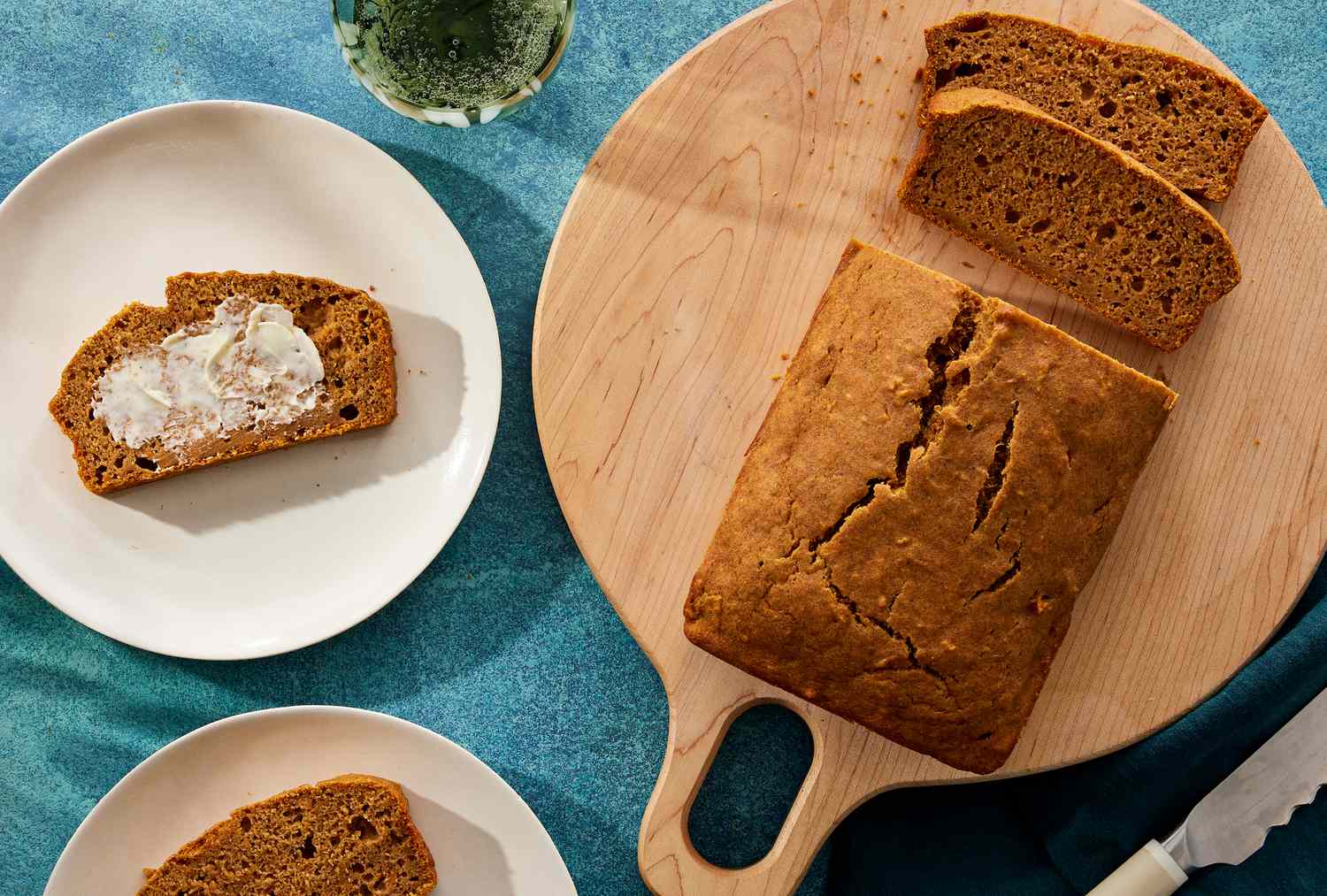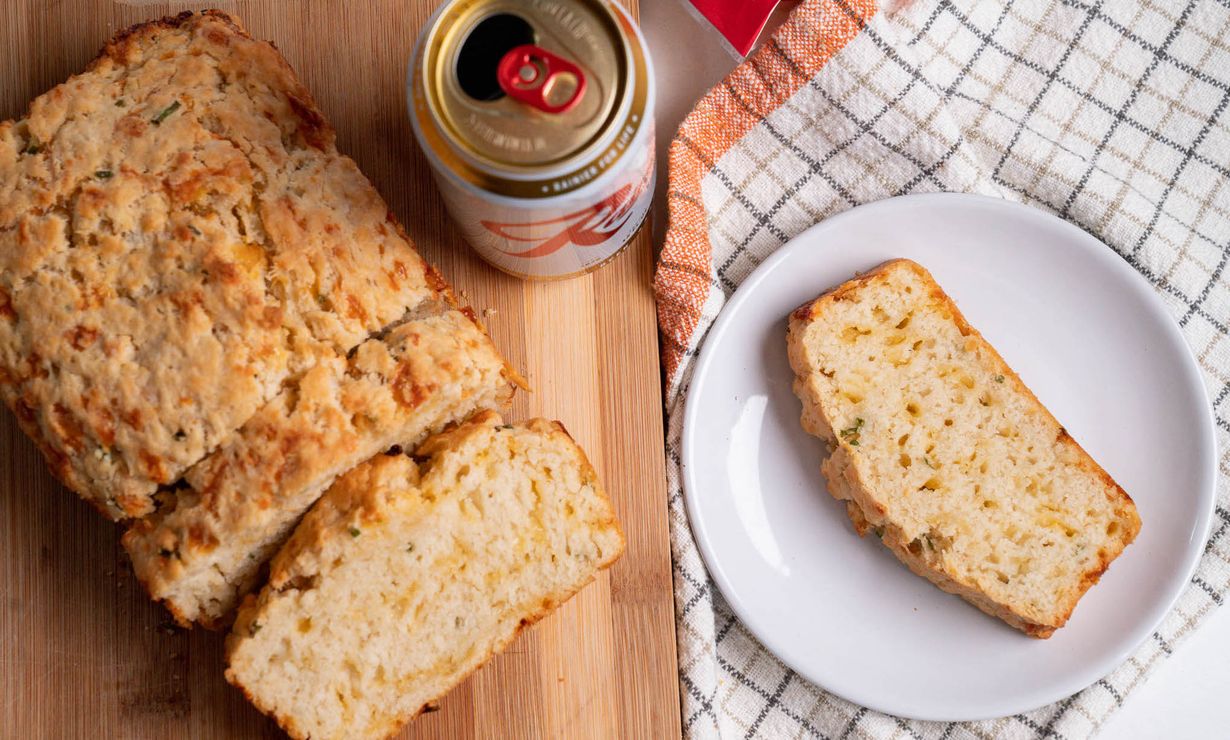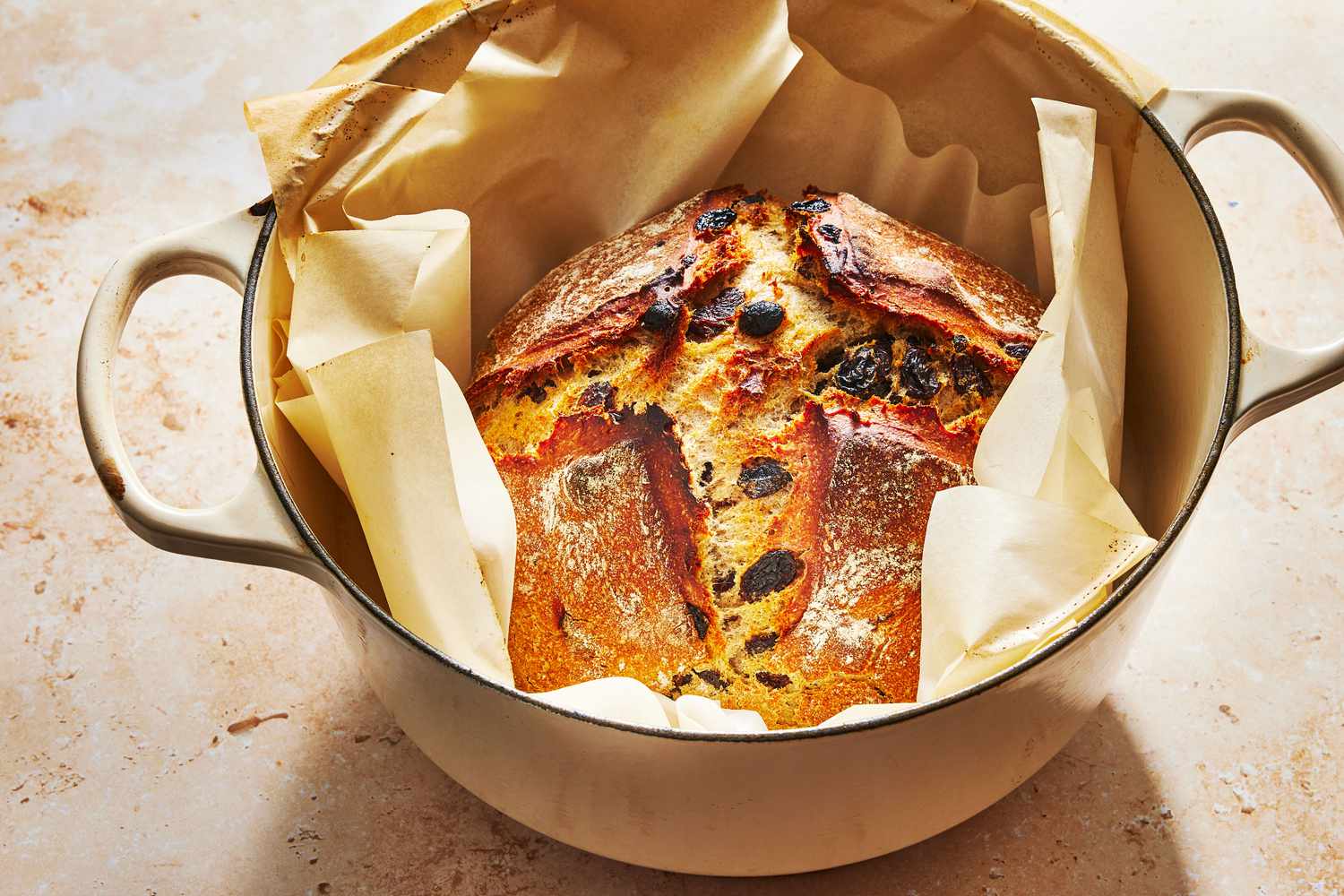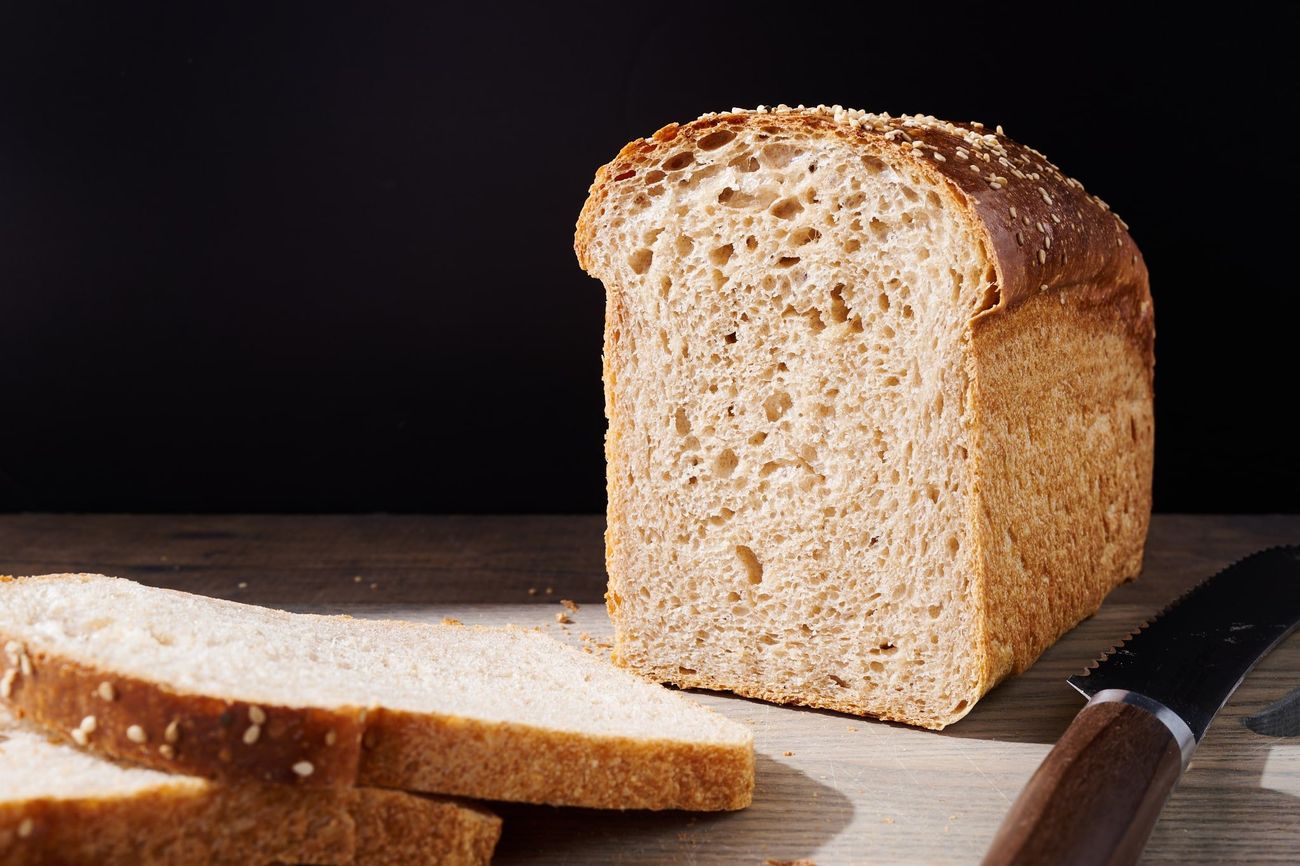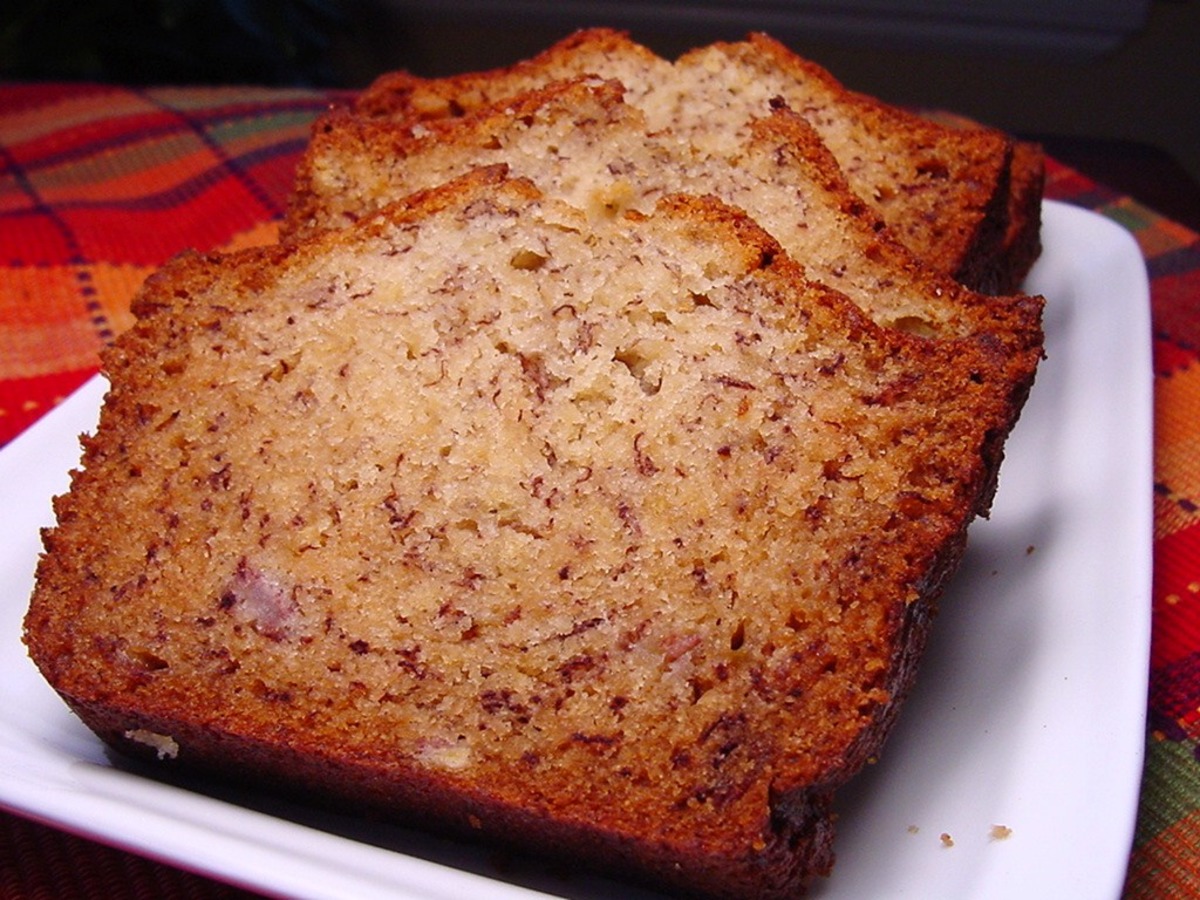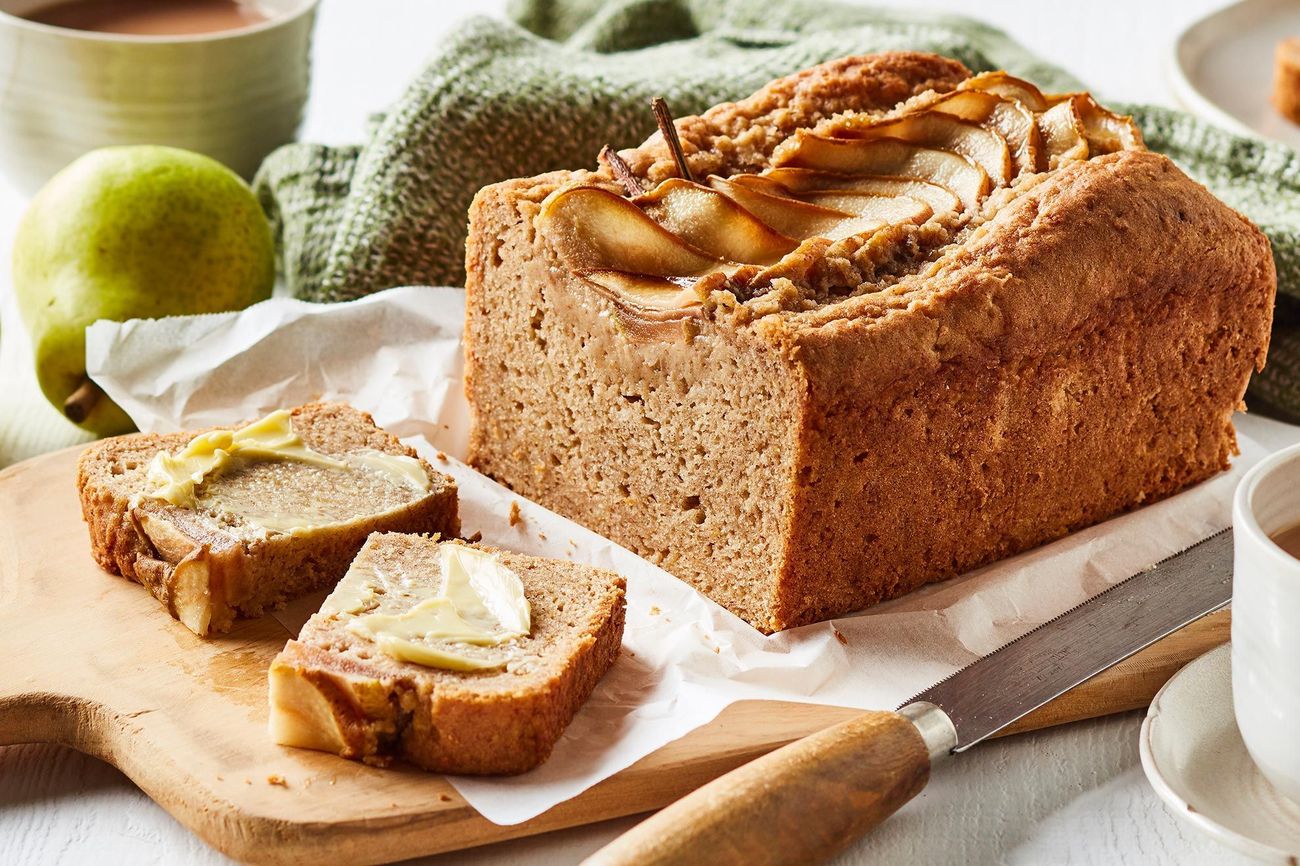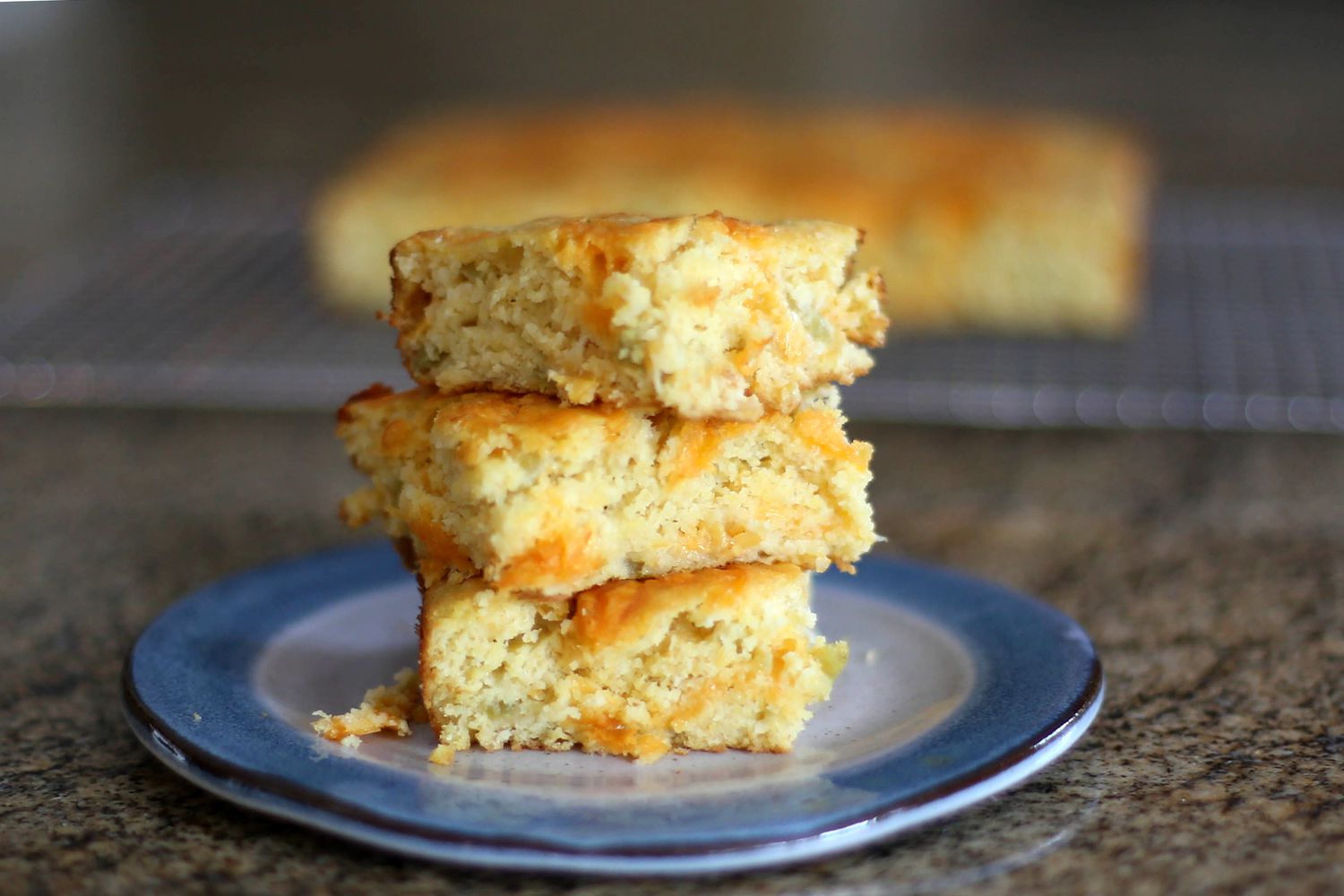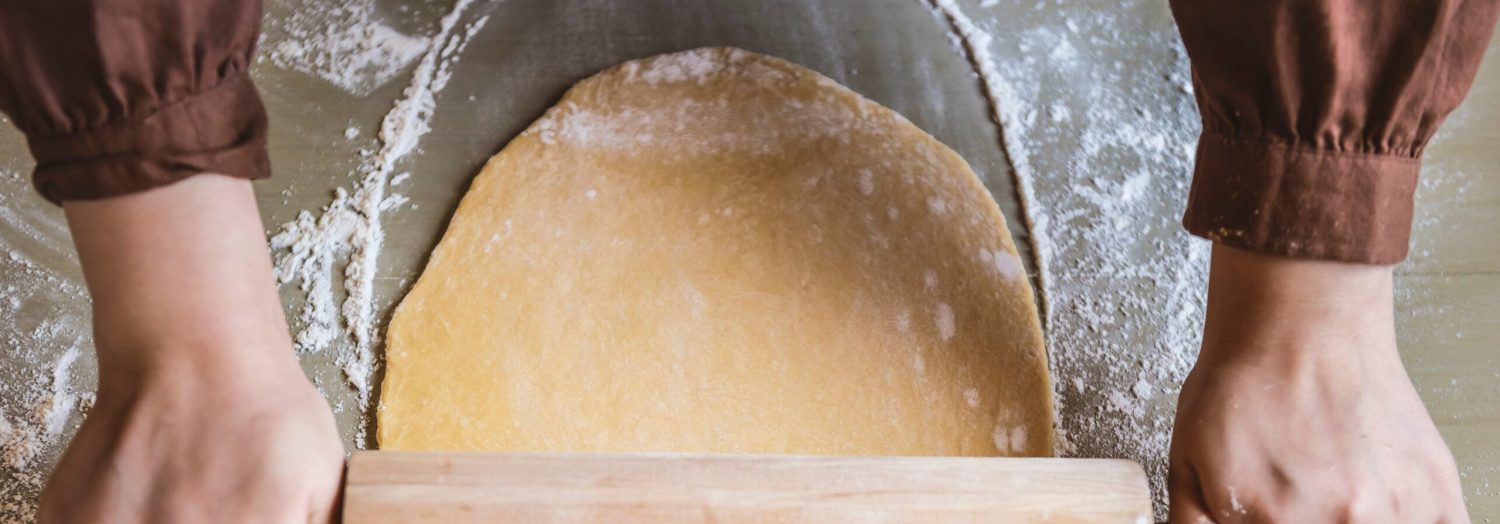

Tart, crunchy, crumbly, hearty, warm, soft, textured, sweet, and aromatic. A nutshell description of what you would encounter if you made this bread at home. It is so much more than that though–it’s an experience. First, it fills your house up with the warming smells of yeasted whole wheat bread as it rises and bakes. Then, as you are enveloped by the soft blanket of bready-aroma, you bite into a warm piece smothered in fresh butter–a little drips down your chin–and a zing! of apricot hits your tongue as you crunch into a small grounded piece of toasted almond. The bread is so warm and moist (the coconut shreds helped with that), that you don’t even need the butter and honey you find yourself spreading on top. But today, today you are being a little bit wild, a little decadent, even a little mischievous. Because if we were “good” all the time, life would be really dull and boring.
It felt good to be bad, but the funny part is, this bread is not bad for you–it’s great for you. And I’ve been enjoying it for breakfast and an afternoon snack since I made it! I am discovering that there really is a place for my beloved baking in the world of health. Not everything comes out like cardboard, a sugar cube, or a well oiled piece of paper (although, this has definitely happened). I find when I let my creative inhibitions flow, recipes like this literally emerge and I am quite satisfied. So much so, that I feel a bit mischievous. And I like it
.
Cheers!
Apricot Almond Whole Wheat Bread
5 cups whole wheat flour or spelt flour (+ about 1 cup more +/- to get it to more of a bread dough like consistency vs. a paste consistency)
1 package fast acting yeast
2 cups plain, organic, kefir (or buttermilk, or plain whole yogurt)
1/4 cup warm water
3 organic eggs
1 teaspoon sea salt
1/4 cup real maple syrup
2 tablespoons honey
2 teaspoons baking soda
1/4 cup melted butter
1 cup unsulfured dried apricots, cut into pieces, soaked in boiling water for 20 mins.
3/4 cup shredded coconut
1 cup chopped almonds
In a 1/4 cup warm water, sprinkle the yeast and let it get nice and foamy. Meanwhile, combine the flour and kefir. Add the yeast and mix for about a minute. Add the eggs, sea salt, maple syrup, honey, baking soda, melted butter, apricots, and almonds. Knead until firm and spongy–I used my kitchen aide bread hook for this recipe and had to add about 1 more cup of flour to get it spongy. While stirring, add a 1/2 cup more at a time while kneeding with the bread hook to get it from a paste-like consistency to a more bread-like one. Even then, it may feel a little more soft than normal which is OK. Let rise until doubled in size (this will vary too, mine didn’t double but it rose enough where I was confident in putting it in the oven, when I did, it rose beautifully during the baking process), in a warm place. Bake at 350 for 45-55 mins, until a toothpick or knife comes out clean. Serve warm and enjoy!
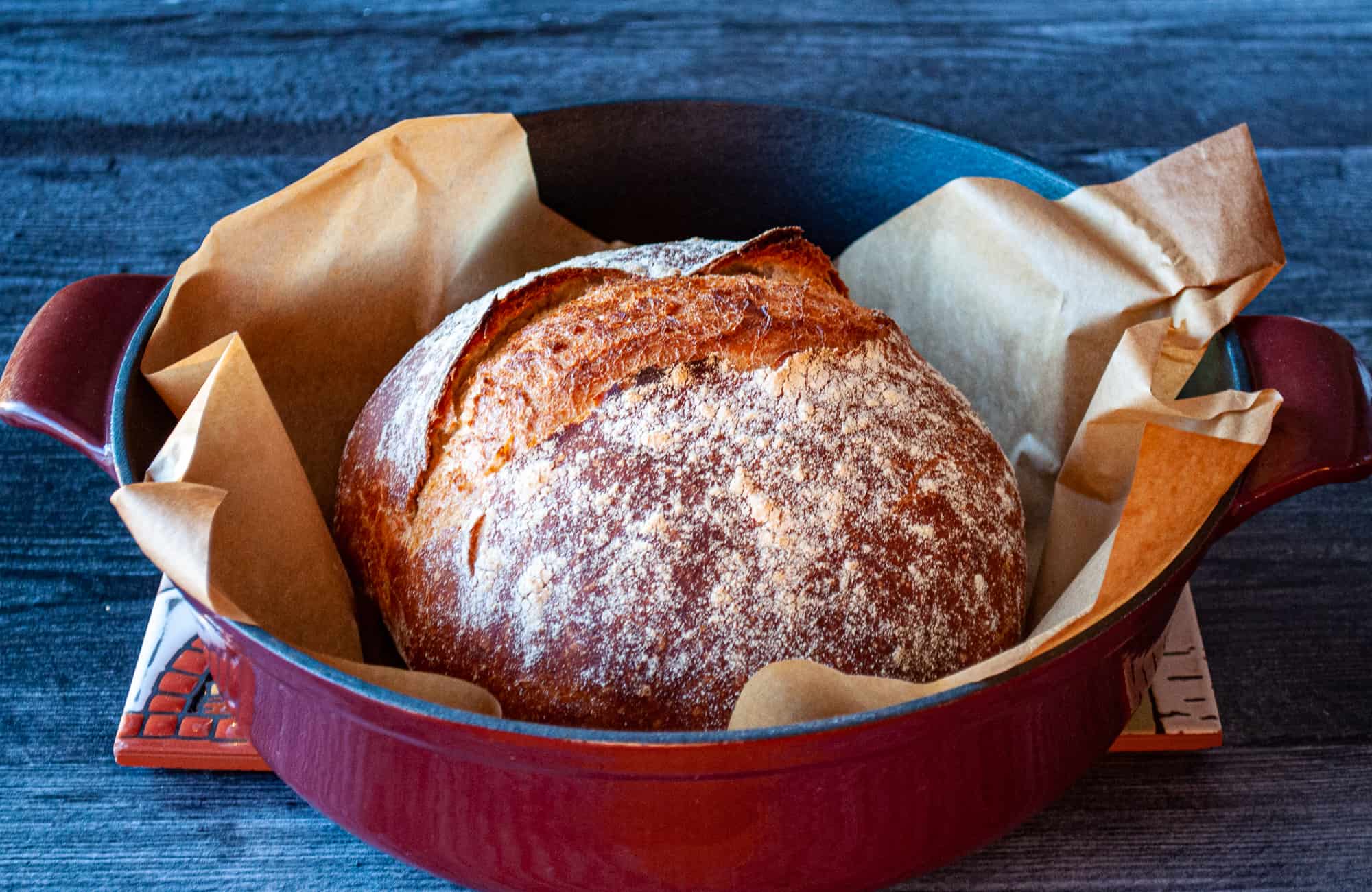
Last weekend, Andrew and I went to visit his brother and sister-in-law for a little mini-vacation. It had been a while since we had gone anywhere, and when the opportunity arose to get out of town for a bit, we jumped at it. We did some skiing and snowboarding–well, I attempted with the snowboard. I was down in the snow more than I was up on the board! Andrew, on the other hand, is an incredible skier–but he was really patient with my foibles and wipe-outs, never leaving me in the dust (or powder!–what they call that soft, powdery snow in the Rocky Mountains), and always encouraging.
I also had the chance to see a little bit of Salt Lake City itself. The scenery around this city is absolutely stunning. Stunning! Surrounded by mountains on all sides looking like they’ve been lightly dusted with powdered sugar this time of year and the city spreads out across the valley.
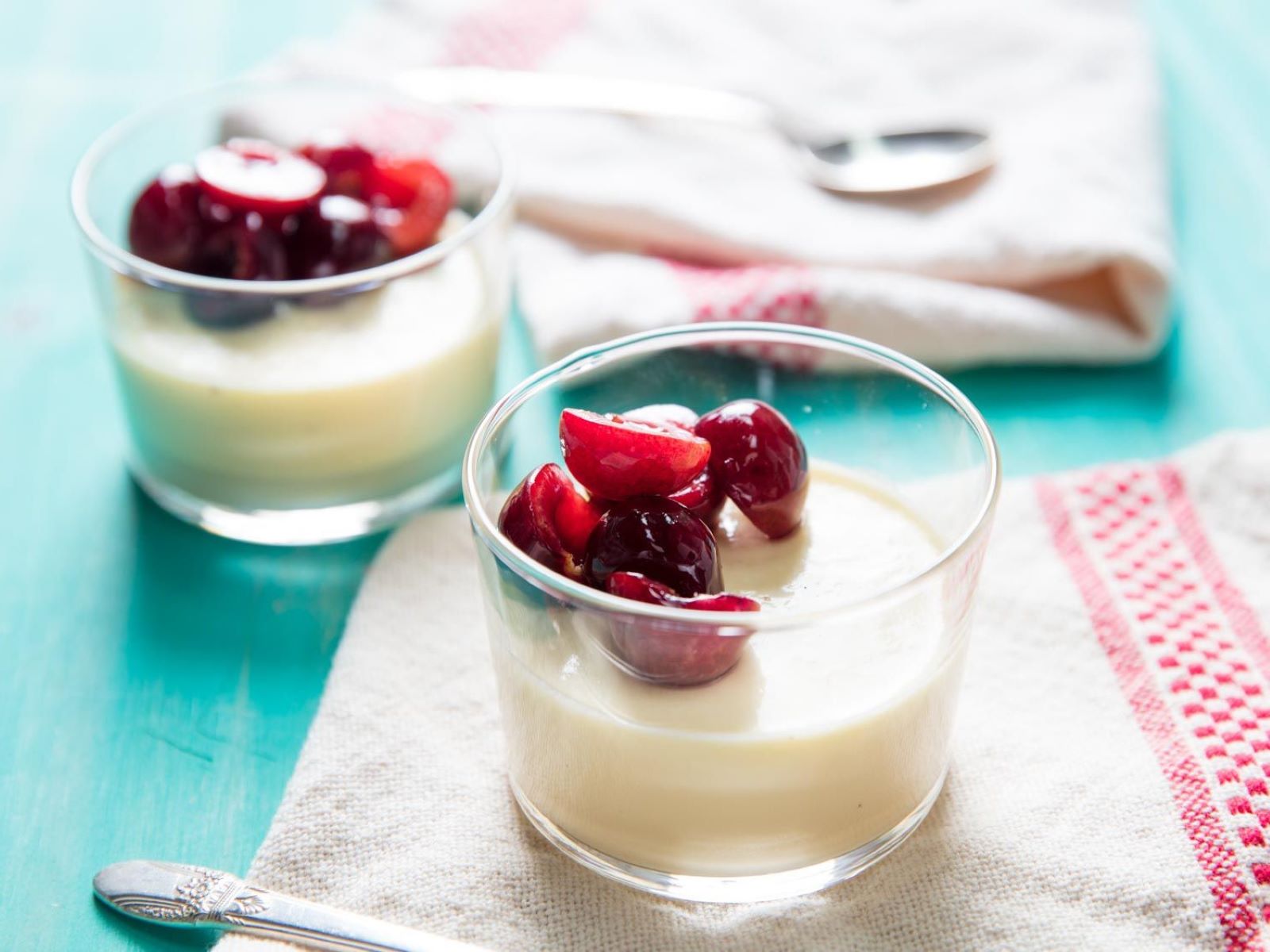
While there, Alana (Andrew’s sister-in-law) and I teamed up to make dinner one night. She made her famous prosciutto wrapped scallops with apples and sage–it was fantastic! The combination of flavors and textures was flawless–the apples paired with the sage and browned together with the scallops were like magic. And, surprisingly easy to do! On the side, she made some crispy yet tender roasted asparagus and then threw in some tomatoes to roast too. Together we made a basic french bread loaf and a lovely panna cotta with blackberry compote for dessert. I had so much fun! I really love cooking with others, especially people who are just as excited about good food.
Prosciutto wrapped sea scallops
4 servings
12-16 large scallops, washed and dried
8 slices Prosciutto, halved lengthwise
1 bunch fresh sage
1/4 cup butter (60 ml)
4 tablespoons extra virgin olive oil, plus more for garnish (30 ml)
2 apples (pink lady, gala, golden delicious), peeled and cored
1 tablespoon sherry vinegar (15 ml)
Sea salt and freshly ground black pepper, to taste
1 teaspoon fresh lemon juice (5 ml)
1 tablespoon butter (15 ml)
Pat the scallops dry and wrap one half-slice of the prosciutto around the equator of the scallop. You can use toothpicks or kitchen twine.
Melt 2 tbsp. of butter and olive oil together in a sauté pan. Bring to a slight smoke.
Toss in the sage leaves and sliced apples wedges into the pan. Season with salt and pepper. Turn up the heat and add the sherry vinegar. Cook until soft and caramelized. Finish the sauce by swirling in butter until just melted. Add lemon juice.
Season the scallops with salt and pepper and place in the pan. Cook for 2 minutes per side, or until golden.
Panna Cotta via David Lebovits
4 cups (1l) heavy cream (or half-and-half)
1/2 cup (100g) sugar
2 teaspoons of vanilla extract, or 1 vanilla bean, split lengthwise
2 packets powdered gelatin (about 4 1/2 teaspoons)
6 tablespoons (90ml) cold water
Heat the heavy cream and sugar in a saucepan or microwave. Once the sugar is dissolved, remove from heat and stir in the vanilla extract.
(If using a vanilla bean, scrape the seeds from the bean into the cream and add the bean pod. Cover, and let infuse for 30 minutes. Remove the bean then rewarm the mixture before continuing.)
Lightly oil eight custard cups with a neutral-tasting oil.
Sprinkle the gelatin over the cold water in a medium-sized bowl and let stand 5 to 10 minutes.
Pour the very warm Panna Cotta mixture over the gelatin and stir until the gelatin is completely dissolved.
Divide the Panna Cotta mixture into the prepared cups, then chill them until firm, which will take at least two hours but I let them stand at least four hours. (Judy told me American refrigerators are colder than European ones. )
If you’re pressed for time, pour the Panna Cotta mixture into wine goblets so you can serve them in the glasses, without unmolding. Run a sharp knife around the edge of each Panna Cotta and unmold each onto a serving plate, and garnish as desired.
For the blackberry compote:
2/3 bag frozen blackberries thawed or 1 carton fresh blackberries
a dash of cinnamon
a pinch of nutmeg
a splash of vanilla
In a saute pan over medium high heat, combine all the ingredients, stirring with a wooden spoon to break up some of the berries for more juice. Heat until about half of the berries are juicy and serve warm over the cooled panna cottas.

Lots of things have been happening lately, I am excited to say! Pietopia has really begun to take new shape. A few things are different this year including two different panels of judges. There will be one panel of food-writers and another panel of bakers. I’m looking for a nice balance between the professional and amateur, both with the writers and the bakers. Check out the Pietopia page here in the blog to read a bit more about what’s happening! There have been some other interesting leads, but I’ll save those tasty tidbits for a later post.

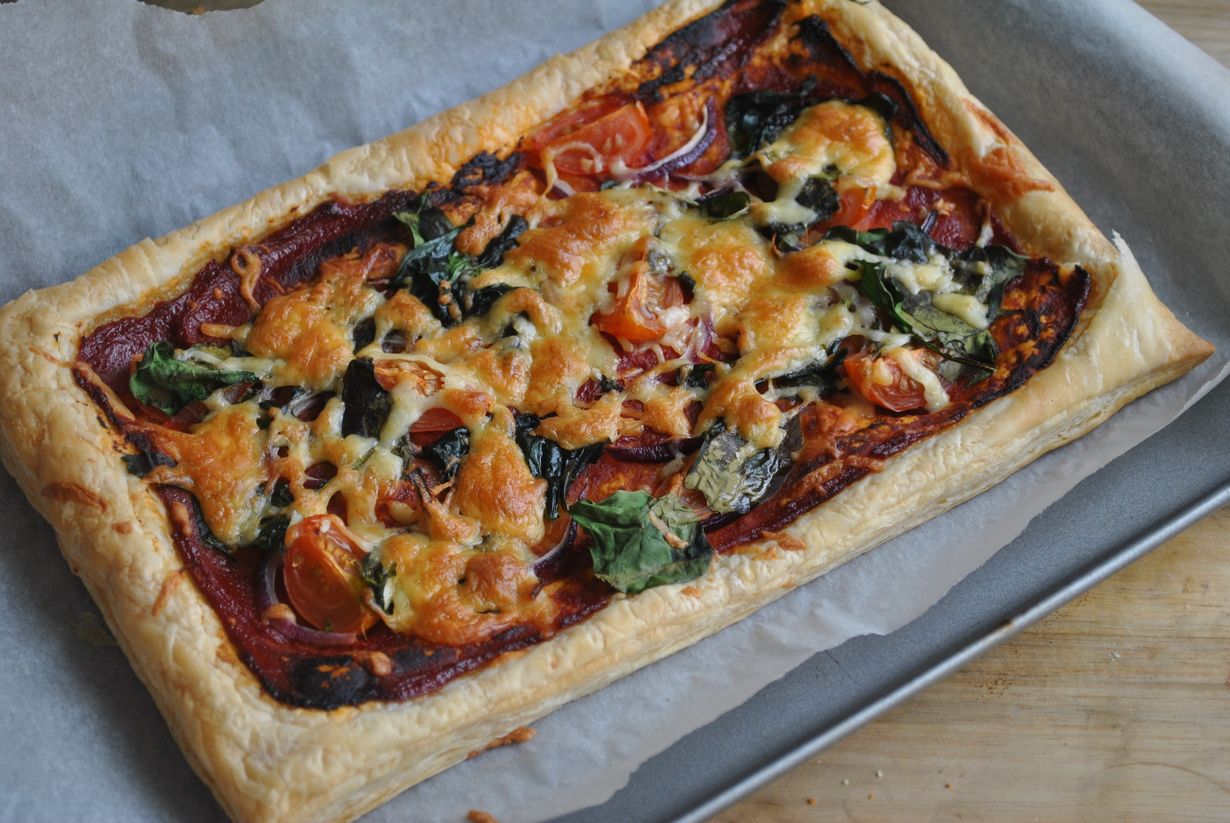
There was a lot of puff pastry dough left over from making those Apricot Danishes, so I used them for little pizzettes. I re-rolled out that dough, made some fresh goat cheese, preheated the oven to 350 degrees F, topped them, and then baked them for 35 minutes. They were delicious! However, I think I have probably eaten more butter this week than I’d care to think about—but it was good while it lasted…

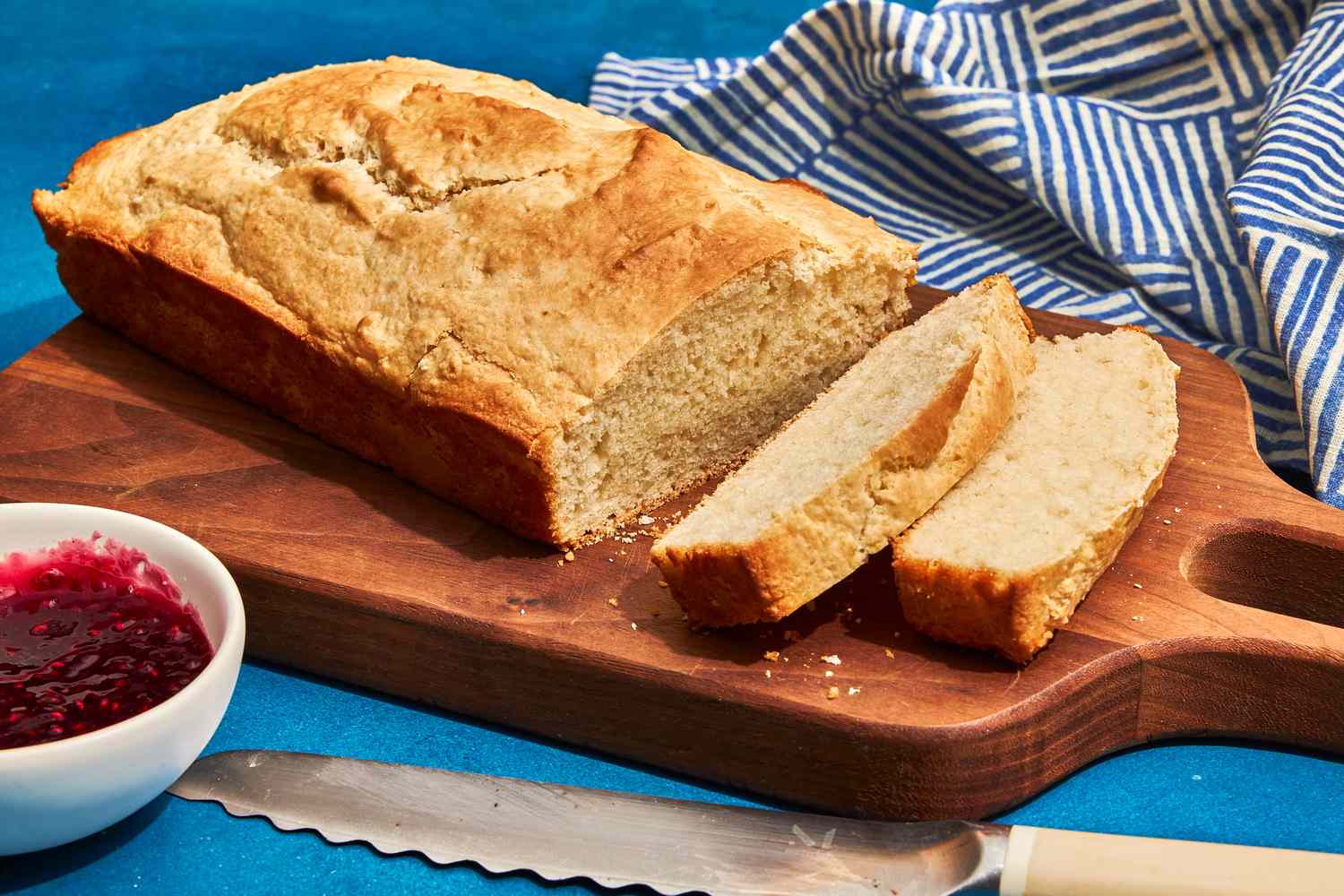
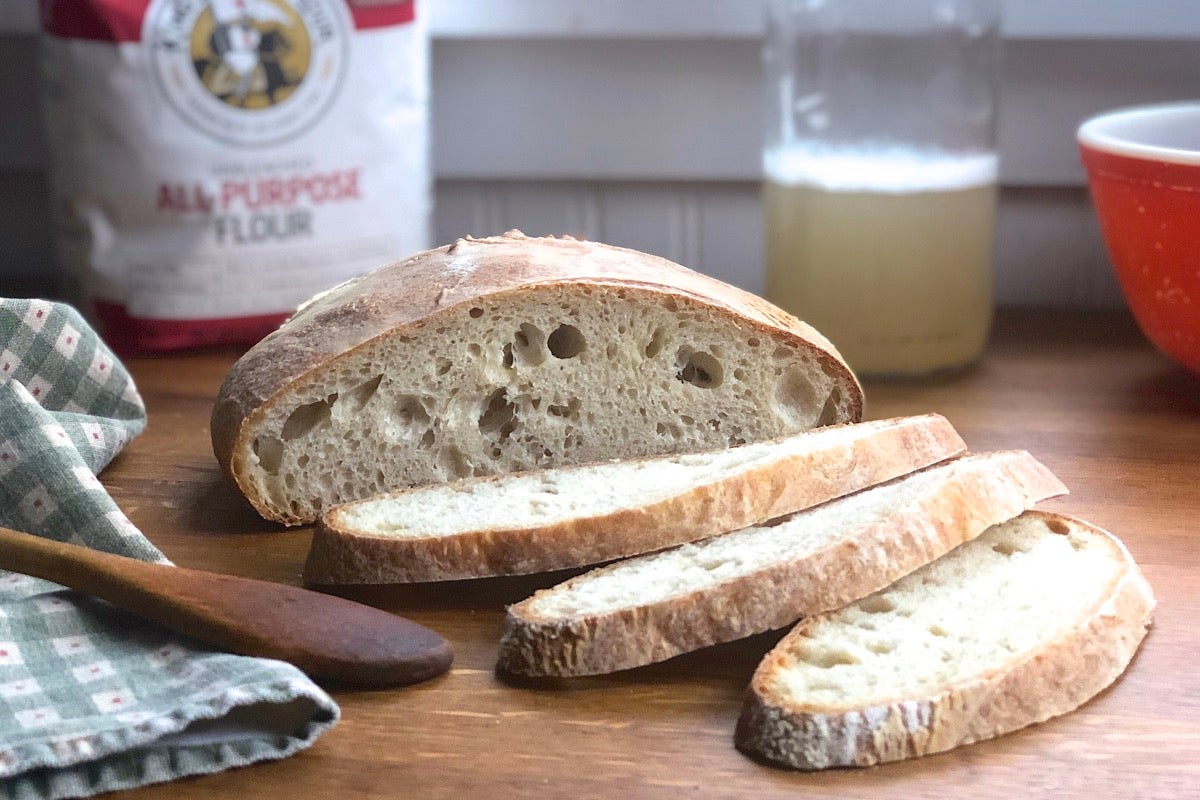
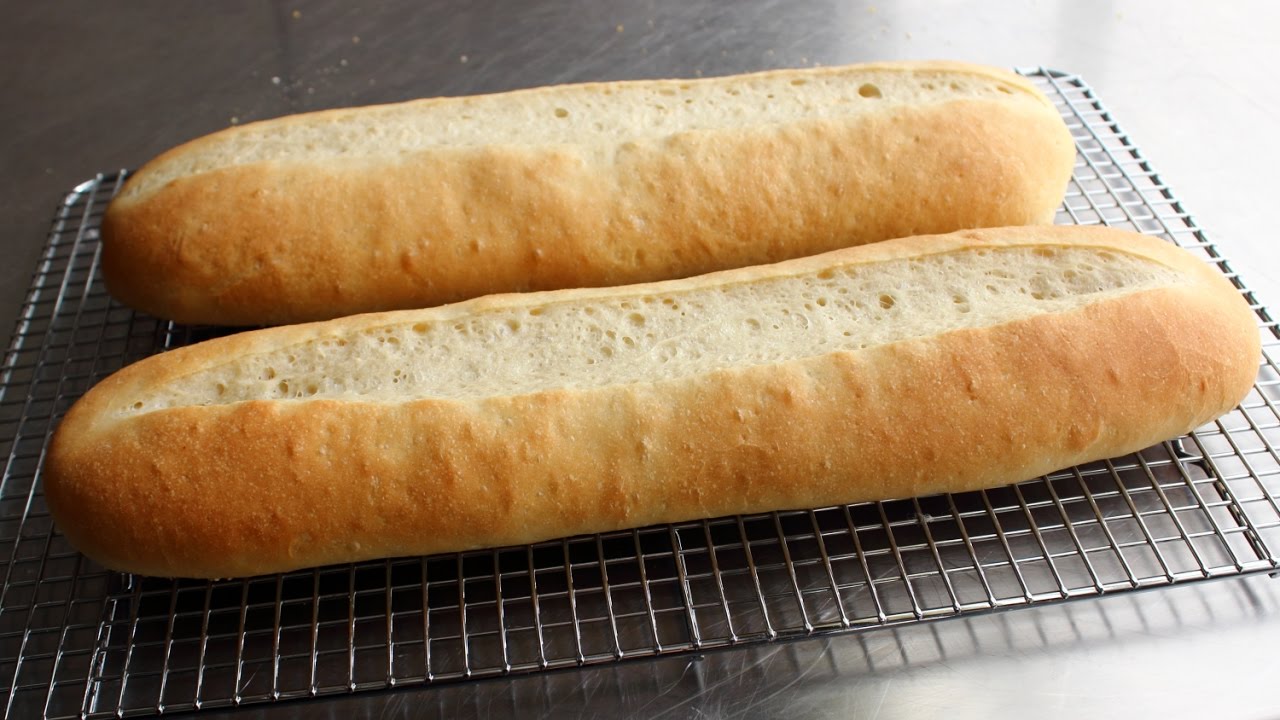
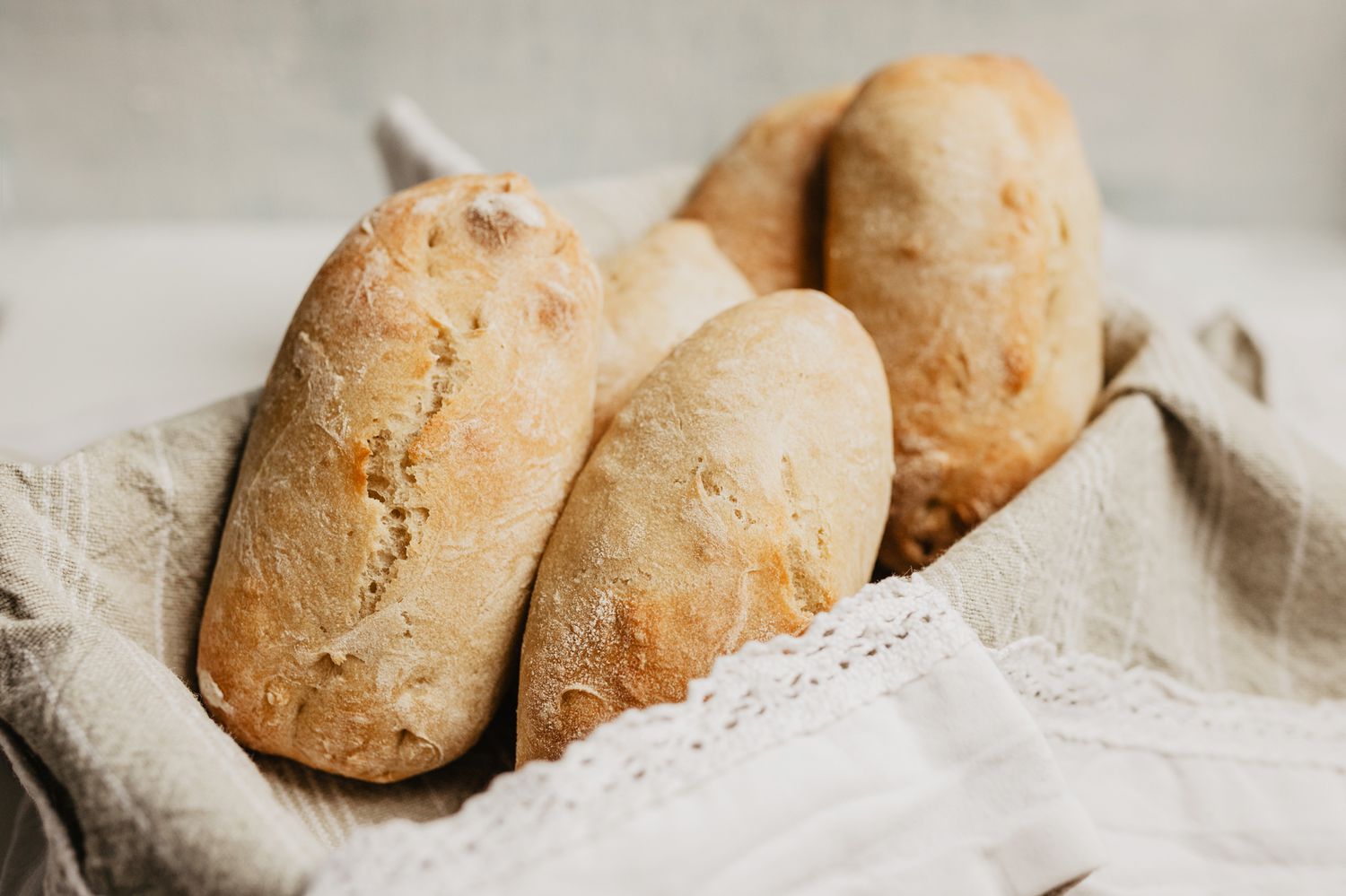
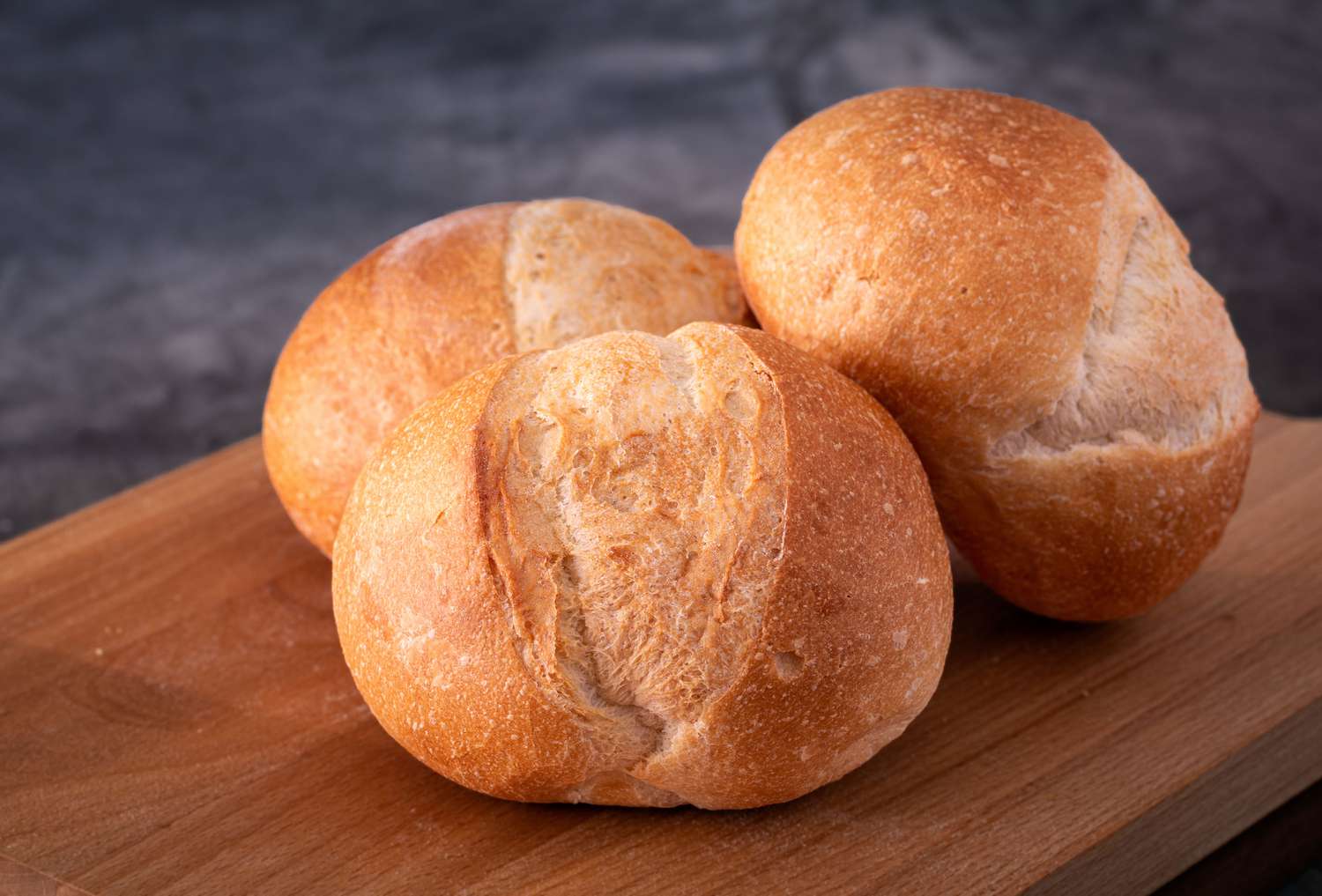
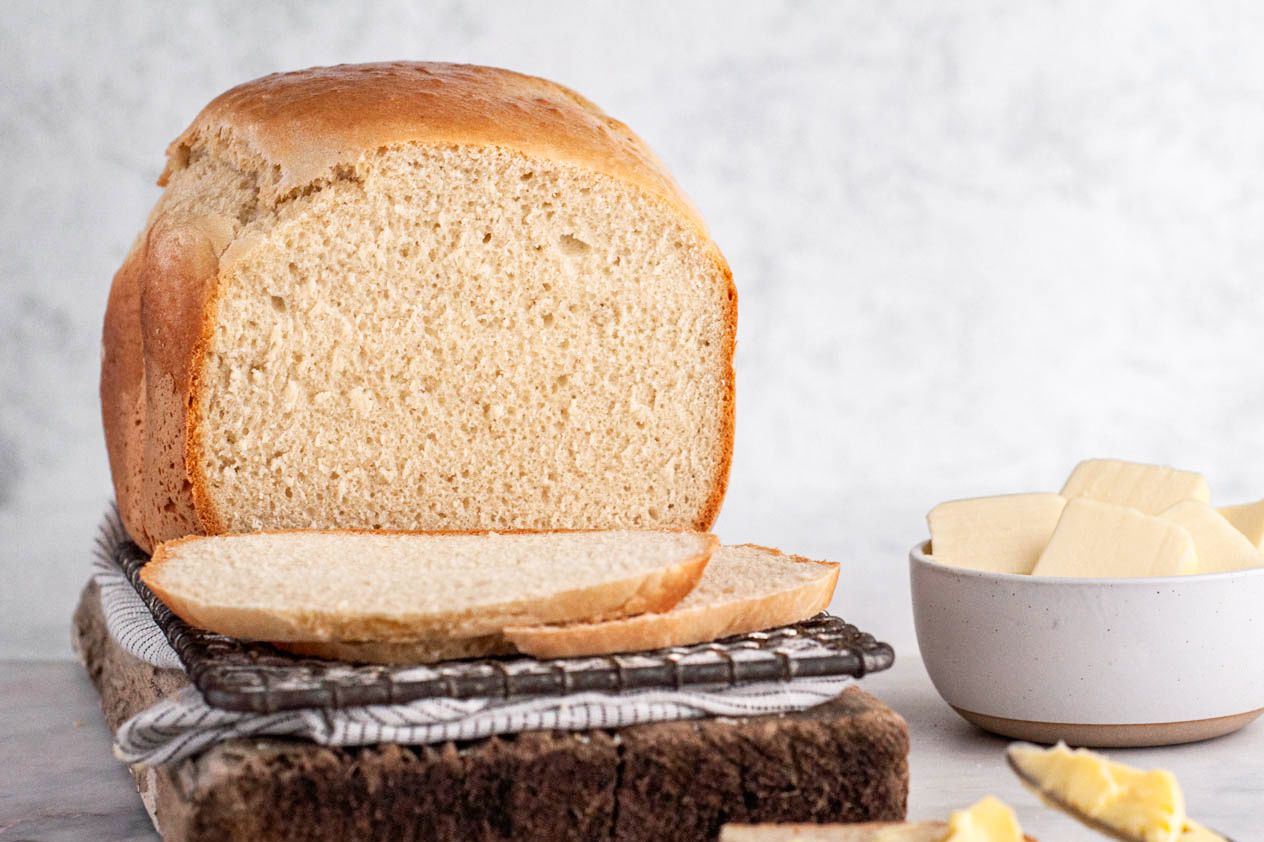
I also made a loaf of french bread the other day I thought I’d share with you. This is my go-to bread, when I need something fresh and baked in my life (or for a meal). In a pinch (or when I’m feeling a bit impatient) I’ll use rapid rise yeast which cuts down the rising time in half–this is super helpful if you have guests coming over or need to take your bread somewhere with you, done and not a messy dough blob. This recipe is just good–spread it with some butter, jam, dip it in olive oil, have as a sandwich, or however you like to eat your bread! Cheers!
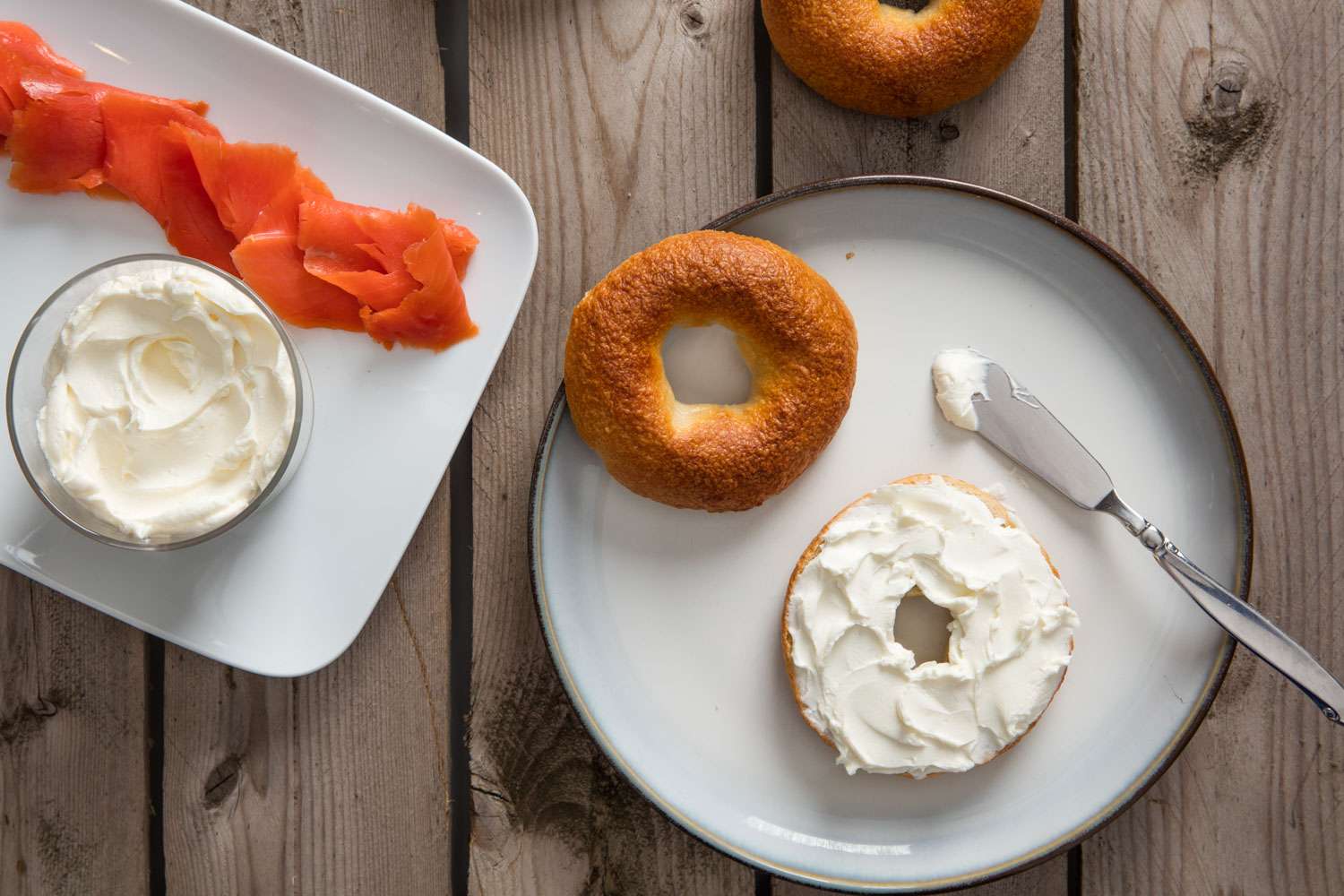
Everyday French Bread
1 1/2 packets yeast (regular or rapid rise)
1 tablespoon sugar
1 tablespoon salt
2 cups warm water
5 cups all purpose unbleached flour
1 cup whole wheat (preferably pastry) flour
Mix the yeast, sugar, and water. Let stand for about 10 minutes or until foamy. Add the salt and flour, mixing until you can’t mix it any more (or if you are using your stand mixer, attach the bread hook and knead using the hook for about 4 minutes) and knead the dough with your hands for about 10 minutes. Put into a well-oiled bowl, flipping the dough once to get the top coated, cover with a towel and let rise for one hour (30 minutes with rapid rise yeast) or until it has doubled in size. Punch down the dough and let rise again for another hour. Preheat the oven to 400 degrees F, shape your dough into two long loaves, slash it, sprinkle it with whole wheat flour, and then bake for 35 to 40 minutes.
The unexpected but remarkable friendships and connections I’ve experienced since starting this blog have enriched my life beyond anything I ever expected. It really is the most remarkable thing about the internet–being able to connect with people who you would never in a million years been able to do so with–and certainly not quite so easily, either.
There are honestly about five blogs I look at and read fairly regularly–I have a lot more on my google-reader, but I get really overwhelmed when I turn that thing on, so I end up never turning it on! Instead, I mostly rely on my memory to hand-type in a handful of favorite sites I visit a few times a month, see what they are up to, and to say hello. I know, I know–it’s bad blogger etiquette to not read more fellow bloggers sites and comment–but that can get furiously overwhelming, so I simply do it when I can.
One of the blogs I visit regularly is Pattern Bakery. They are a group of four designers, Salla, Maria, Miia, and Minttu, best known for patterned designs and illustrations sold for the interiors, fashion and paper industries. They are based in Finland, but sell their patterns and textile designs world-wide. Each year, these four talented women come out with a new collection based on color themes and moods. Their studio in Helsinki, Finland is in an old nostalgic wooden house that turned out to actually be an old grocery and bakery. “A house with a history of freshly baked bread and pastries keeps inspiring our work (and our tummies).” That would certainly inspire me too! It was reading this that I realized I had found a group of kindred spirits across the Atlantic. They also have a wonderful website you can find here
.
Minttu is the group’s lover-of-food. She’s known for conjuring up heavenly meals at a moments notice–and then blogs about it on the Pattern Bakery’s blog. A few weeks ago, she posted about her mother’s Pulla–a traditional Finish sweet bread spiced with cardamon. I have a special affinity for Pulla because my best friend Kiija and I used to make it as girls with her grandmother Aune, who was Finnish. Or Kiija’s dad would make loaves and loaves of it to stock the freezer with–I felt like we were always snacking on a piece of Pulla while at her house–it was the best
. I even blogged about it once, you can read about it here.
I am fascinated with the stories that food conjures up. And knowing that Kiija and her dad share a deep love and regard for this family flavor and ritual, I wondered if Minttu shared similar feelings. So, I emailed her. And she emailed me back the most fantastic story ever, about her family’s Pulla. Her mother had learned to make the Pulla shaped like this from her Mother-in-law, who was from Ingria, a land attached to Russia. Her great grandfather did some work for the last czar of Russia, and the czar’s children were very fond of the Finnish Pulla her great-great grandmother would send them as a treat! “So maybe this special shape has been passing along the generations and is the same the last tsar’s kids ate,” writes Minttu. Amazing! Minttu and her cousin have agreed to keep this family tradition alive and well by shaping their Pullas like this from now on. Pulla can come in many shapes from a large braided loaf to shapes like little boys and girls with raisin eyes–but the woven circle will be a special one for Minttu and her family. So neat!
Minttu’s Family Pulla via Pattern Bakery
0,5 litres milk (2 cups)
50 g yeast (3 tablespoons or two packages)
2 tsp salt
2 dl sugar (a little more than 3/4 cup, but not quite a full cup)
2 tsp cardamon (not the pods, but open them and use the bits inside)
1 egg
14 dl wheat flour (6 cups, maybe a little more)*
100 g butter (1/2 cup or a whole stick)
Add yeast to hand warm milk. Mix with salt, sugar, cardamon and egg. Add flour little by little, whisk more at first to mix some air in to the dough. Then knead until it feels alive in your hands, say maybe 10 minutes or so. Add soft butter towards the end of kneading. Let rest in a warm place, covered with a tea towel. When the dough size has doubled, knead it softly to remove the airbubbles, for couple of minutes.
Cut pieces of the dough with knife and start rolling it under your hands to form long shapes. Cut pieces of app. 10 cms. Press two pieces together at top. Twirl one of the dough pieces around the other. Press the ends together to form a circle. Set on a baking sheet on a baking tray, brush with some egg and sprinkle with sugar. Bake in oven, 450 degrees F for 10 minutes or so, until golden brown.
*I tried one batch with whole wheat (pastry) flour and one with unbleached, all-purpose white flour, and I must say, I like the white flour better for my taste. It allows the cardamon to shine through, mingle with the sweetness, and keeps the bread nice and soft–the whole wheat flour took over the flavor and dulled the cardamon flavor for me.
Cheers!
I really enjoy the earthy goodness of spelt. Its texture and flavor are a bit lighter than whole wheat but still packs a punch when it comes to tasting good and is good for you (the two can coincide at times;). Some people who have gluten intolerance can enjoy spelt as an alternative to wheat but not all as it does have a limited amount still present. What is spelt, you ask? It is an ancient grain that is a hybrid between a type of wheat and a type of tall growing grass. It has more protein than regular wheat, is high in fiber, and has a high amount of B vitamins (B vitamins make you feel happier). Yeah, yeah–nutrition jargon–so what is the big deal with spelt?
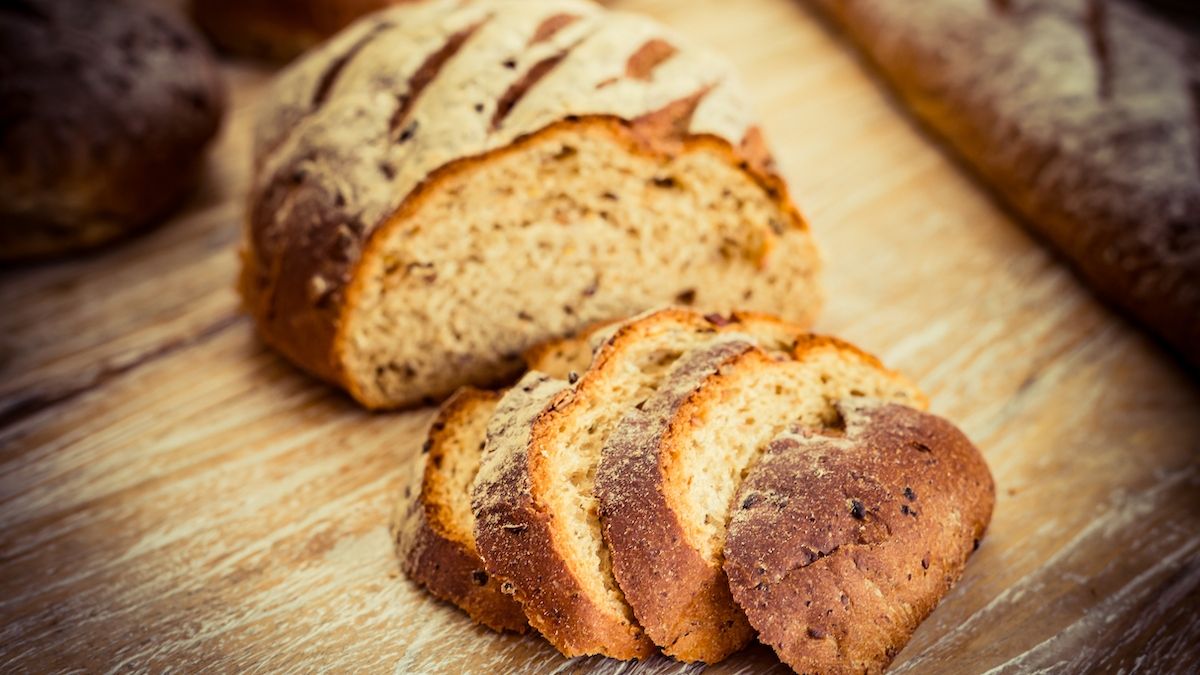
It tastes good. Pure and simple. Next time you are at the store, pick yourself up a loaf of spelt bread and I think you might be surprised. It’s soft, it has a wonderful nutty flavor, and it tastes great as toast or in a sandwich. I stopped eating store-bought whole wheat bread a few years ago and it was well worth it. When I do buy my bread, I get it from Dave’s Killer Bread, straight from the factory here in town, fresh (and spelt!). They don’t put anything strange in their bread–and they support a wonderful cause.
But when I don’t buy it, I make this bread. I usually make two loaves and freeze one for later use (the freezer is an amazing utility to make the most of!). It’s hearty, dense, has wonderful flavor, and I eat it with just about anything. I love it when it (or any bread really) comes right out of the oven and I smother it in fresh butter–and mean smother–I have a weak spot for fresh bread and butter. One of life’s little guilty pleasures
.
Enjoy!
Honey Spelt Bread recipe adapted from Food and Wine

4 1/2 cups whole-wheat spelt flour, plus more for dusting
2 teaspoons fine sea salt
2 teaspoons active dry yeast
1 3/4 cups warm water
2 + tablespoons honey (I used almost 4)
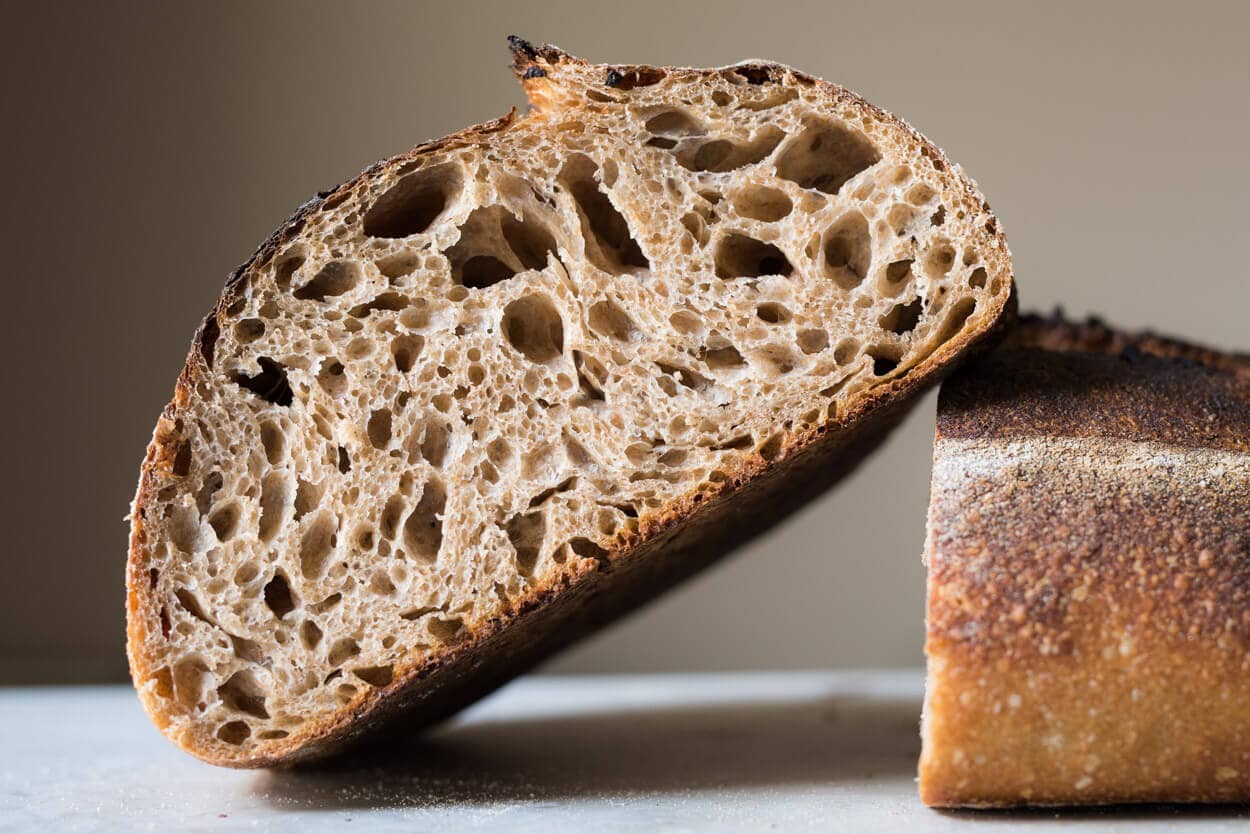
In a standing mixer fitted with a dough hook add the water, honey, and yeast. Let stand for about 5 minutes to get nice and foamy. Add the salt and flour 1/2 cup at a time and mix until the flour is moistened, about 2 minutes, scraping down the side of the bowl with a rubber spatula as needed. Increase the speed to medium and knead until a stiff dough forms, about 2 minutes longer.
Transfer the dough to a lightly floured work surface and shape into a ball. Set the dough in a well-floured bowl, cover with plastic wrap and let rise in a warm place until doubled in bulk, about 1 1/2 hours.
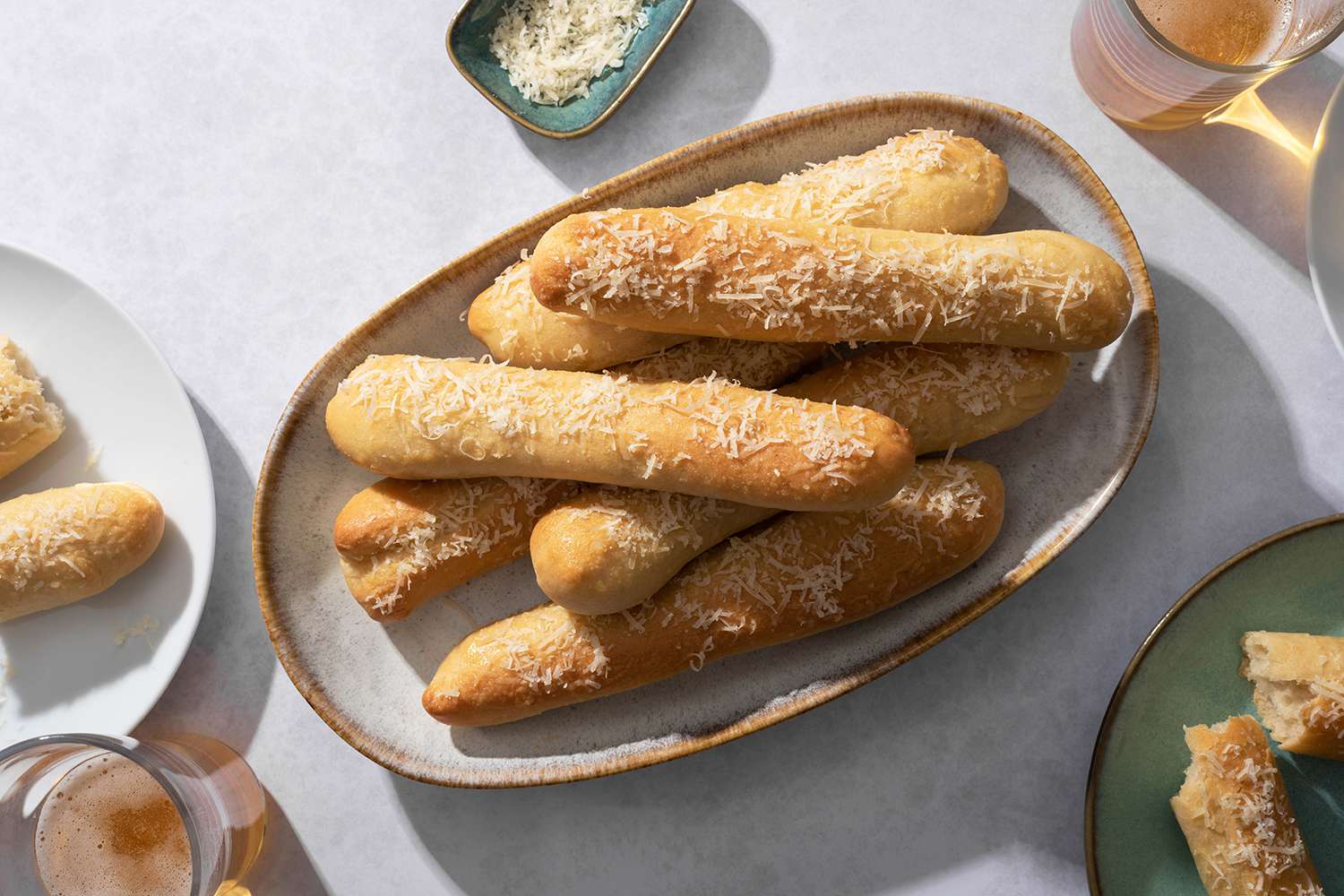
Preheat the oven to 450° and spray a 9-by-5-inch loaf pan with vegetable cooking spray. Invert the dough onto a lightly floured work surface and gently punch it down. Fold the dough into a loaf, tucking in the sides and pinching the seams. Transfer the dough to the loaf pan, seam side down. Cover with plastic wrap and let stand until doubled in bulk, about 1 hour.
Remove the plastic wrap and lightly dust the dough with flour. Using a razor blade or sharp knife, make a shallow lengthwise gash down the center of the loaf. Bake for about 35 minutes, until the loaf is risen, golden on top and an instant-read thermometer inserted into the center of the loaf reads 180°. Let the bread cool in the pan for 10 minutes, then tip it out onto a rack to cool completely before serving.
I was talking with a friend of mine the other day who told me that at the new year he gets a compulsive urge to madly write in his journal about the past year, furiously scribbling pictures and words revisiting his yearly narrative. He followed it up by saying “weird, huh.” No way! I told him. That is an incredible way to look back, reflect where you’ve been and what you’ve learned, and find the exciting possibilities of where you’d like to go in the coming year.
I too get especially contemplative this time of year. It is a rare and wonderful opportunity for me to really look inward and get a clear picture of my personal road map. I follow my tracks remembering a moment where I laughed so hard I cried, or physically cringing remembering another moment. I’ve found that with the difficult situations I’ve been through, it helps me to learn from my mistakes as well as heal old wounds when I visualize a different outcome–the one that I would have liked to have happened.
This year, I’ve made a list of a few things I’d like to do and learn. First, I want to be more open–to possibilities, to myself, and to really listening to others, nature, and the heart (or gut); I want to better surround myself with those who are positive and supportive as well as cherish daily those who have been there for me through thick and thin; I want a fulfilling career–one that I am able give back to the community all that I have learned (and continue learning from!) which I am so grateful for ; and laugh more–to find the humor in more situations and to laugh at myself more. There is a time and a place to take things seriously, but it is truly an art to not take more than is necessary so seriously! I admire those who can turn what may be awkward, intense, or difficult situations into something else.
I was flipping through The Bread Bible to find one of my favorite bread recipes, when I came across one with the title of American Chocolate Bread. It was under a chapter that I hadn’t yet ventured into called, A Slice of Divinity: Celebration and Dessert Breads. Talk about reflection (see above;), I started wondering why I hadn’t been reading the recipes in that chapter. They are diverse, packed with history, about celebration (who doesn’t like a good party?), and unique. This particular chapter was like getting a concentrated world history lesson via bread. Yes, please! Historically, (according to the book), there is not any link to the new year, per say, and this recipe. However, in my mind the two will be inexorably linked forever. This may even become a new holiday ritual (I do love food rituals;). These not-too-sweet breads are perfect for breakfast or a midnight snack. They satisfy the senses on many levels: the slight crunch of the sparkling sugar on the crust, the warm smell of yeasted bread, the surprise gush of melted chocolate on your tongue and lips as you bite into the center, and the heft of the roll itself–let’s just say you are not eating air.
And speaking of rituals, Andrew ensured good luck for us both in the coming year by making a family favorite: black eyed peas. He made them without following a recipe but went along with his memory, intuition, and some already burgeoning good luck. They were fantastic. Happy new year!

American Chocolate Bread, via The Bread Bible by Beth Hensperger
For the sponge:
2 tablespoons (2 packages) active dry yeast
2 tablespoons sugar
1 cup warm water
1 1/2 cups unbleached all-purpose flour
Dough:
1 cup warm milk
5 tablespoons unsalted butter, melted
1 tablespoon salt
4-4 1/2 cups unbleached all-purpose flour
8 oz semisweet chocolate (nice chocolate like Scharffen-Berger or Ghirardelli)
3 tablespoons vanilla sugar (or just regular sugar works too)
1. In a large bowl using a whisk or in the bowl of your stand mixer with the paddle attachment, place the yeast, sugar, water, and 1 1/2 cups flour. Beat until smooth, about 3 minutes. Cover and let stand in a warm place until doubled in bulk, about 1 hour. This makes your sponge.
2. Stir down the sponge with a wooden spoon. Add 1 cup milk, 3 tablespoons butter, salt, and 1 cup flour. Beat hard until smooth, about 2 minutes. Add the flour 1/2 cup at a time, to form a soft dough.
3. Turn the dough out onto a lightly floured work surface and knead for about 5 minutes, adding 1 tablespoon of flour at a time as necessary until dough just loses its stickiness. It will be soft and springy.
4. Place the dough in a greased bowl. Turn once to coat top and cover with plastic wrap. Let rise in a warm place until doubled in bulk, about 1 hour.
5. Grease eight 4 1/2 by 2 1/2 inch loaf pans. (If you don’t have these, that’s fine, I just twisted mine into little rolls and baked them on my bread stone). Cut the chocolate into 1 oz portions. Gently deflate the dough. Turn the dough out on a lightly floured work surface and divide into 8 equal portions. Pat each portion out into a 7 by 4 inch rectangle about 3/4 to 1 inch thick. Place a piece of chocolate at short edge of each dough portion and roll the dough up jelly roll fashion. Pinch the edges to seal and completely enclose chocolate. Arrange either in the pans or if you are not using pans, just on the floured surface, and let rise until almost doubled, about 15 minutes.
6. Twenty minutes before baking, preheat the oven to 375 degrees F. Brush the loaves with the remaining 2 tablespoons of butter and sprinkle with about 1 teaspoon sugar to sparkle the crust. Place the pans in the oven and bake 20-30 minutes, or until a delicate brown. Transfer the loaves to a cooling rack for 20 minutes. Serve warm.
A happy, healthy, and adventurous new year to you all!

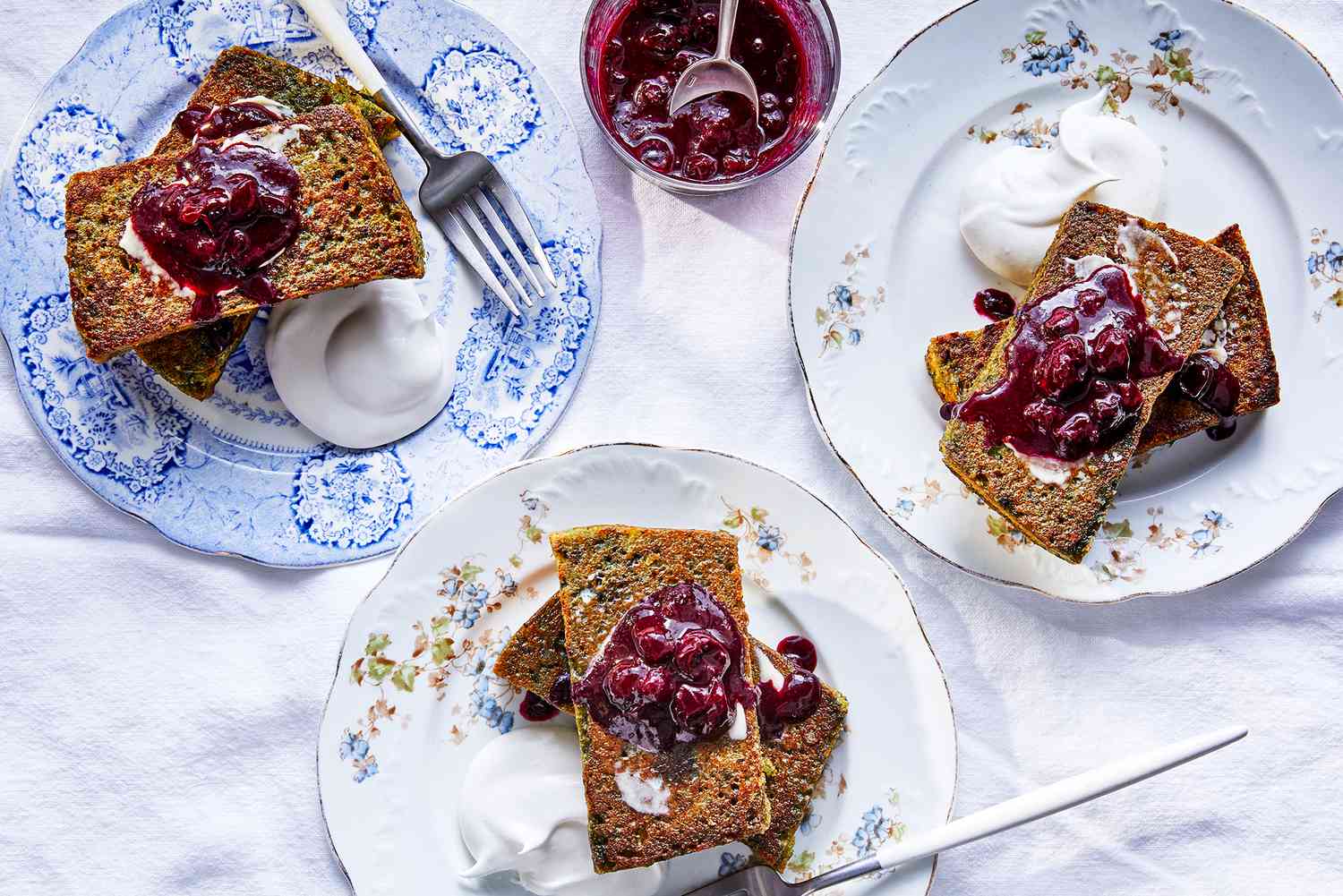
A good french toast in the morning is bliss. The experience of it not only puts me in a state of cheer, but becomes a vehicle for it for the rest of the day. Periodically, we make it here at home but it doesn’t happen too often. We either do not have all the necessary supplies or maybe it is a subconscious diversion–because sad french toast can leave the opposite mark on one’s day. I know I can get grumpy when sad french toast happens.
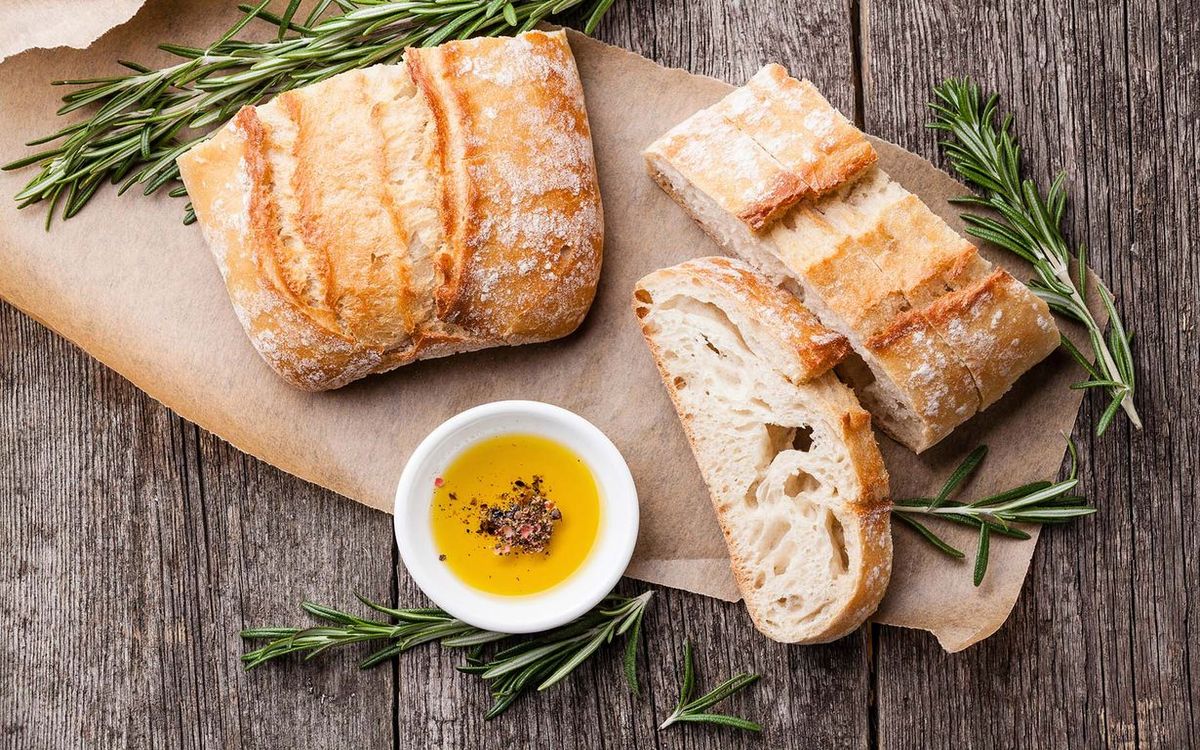
Last week we had a part of a ciabatta loaf left over so I decided to take a stab at it with some french toast. It was a good decision because I will have a hard time making it now with any other kind of bread! I melted a little coconut oil in the pan, whipped up some eggs, milk, and cinnamon, put the first slices of bread in the mixture to soak and wha-la! It was like magic–and so simple. I love it when magical things happen simply
.

I wanted to share this now-favorite household recipe with you. There was complete silence while we were eating it, except for a half-pause from Andrew who looked at me and said, “did you write this one down?”. And it’s official, now I have!

1 loaf day old ciabatta bread
3 eggs
1 1/2 – 2 cups milk
1 – 1 1/2 teaspoons cinnamon
3 teaspoons coconut oil
Slice the bread to 1/4-1/2 inch thick pieces. Whisk together the eggs, milk, and cinnamon. Put the first two slices in the bowl to soak. Heat the first teaspoon coconut oil in a non stick pan at medium high. When hot and shimmering, turn the heat down to medium, and place the first two pieces of bread on the pan and put your next two pieces of bread in the bowl with the egg/milk mixture to soak. Cook until lightly browned on the outside and when pressed down upon with your spatula, nothing oozes out. When finished, add another teaspoon of coconut oil and repeat, until all of your bread and egg/milk mixture is gone. You may want to add a little more cinnamon to the mix towards the end as the bread tends to soak it up after the first few rounds.
Yesterday, I made Lussekatter or Swedish saffron sweet bread. I had picked up the December issue of Saveur while traveling home from the east coast and an entire article was dedicated to Swedish holiday baking traditions. Of course, I became intrigued. This particular combination of sweet saffron was a blend of flavors I had never tried before–so to remedy that, I decided this recipe would be a good place to start.

I’m going to cut right to the chase here. This bread was fantastic. Imagine a light, soft, airy brioche that warms you through and through. The hints of saffron off-set by the subtle sweetness of the bread itself is like nothing I’ve ever tasted before. Exotic yet homey, expansive yet comforting, the flavors and texture of this bread were wonderful. It gives off the best aroma while rising and baking too, luring your whole house into the process and transporting everyone to a different (and warm) place. It was relatively simple to make too.

This was also Noel Bakerina’s second project of the month. She left a little note that described the tradition of the Swedes use of Saffron in this particular bread:
December 13th is the day of Saint Lucia in Sweden and has been celebrated for hundreds of years. In Scandinavia, daylight is scarce during the winter and nights are long and dark. It is celebrated in particular on December 13th because it historically has been noted to be the shortest day of the year. Saint Lucia, a celebrated figure across many religious denominations in Scandinavia, is the light that overcomes the darkness and will bring longer days in the months to come. The saffron used in the buns was used to represent the light–the yellow hue not only encourages Saint Lucia but also celebrates her strength.
Cheers!

Lussekatter (Swedish Saffron Sweet Bread) via Saveur
2, 1/4 oz. packets active dry yeast
2 cups milk, heated to 115 degrees
2 tsp. saffron, lightly crushed
3/4 cup plus 1 tsp. sugar
6 1/2 cups flour
3/4 tsp kosher salt
3 eggs
12 tbsp unsalted butter, cut into 1/2″ cubes, softened
canola oil, for greasing
raisins, for garnish
1. In the bowl of a stand mixer fitted with a paddle, mix together yeast, milk, saffron, and 1 tsp. sugar; let sit until foamy, about 10 minutes. Stir in the remaining sugar, along with the flour, salt, and two eggs. Mix on low speed until dough forms and gathers around the paddle. replace paddle with dough hook and add butter, knead on medium-high speed until dough pulls away from the sides of the bowl, 8 minutes. Transfer dough to a large bowl greased with oil and cover with plastic wrap; let rest in a warm place until doubled in size, 1 hour.
2. Divide dough into 32 pieces and roll each piece into an 8″ long rope. Form each rope into an S shape and then roll each end into a tight spiral. Place shaped dough pieces 2″ apart on parchment paper lined baking sheets; cover with plastic wrap and let rise in a warm place for 30 minutes.
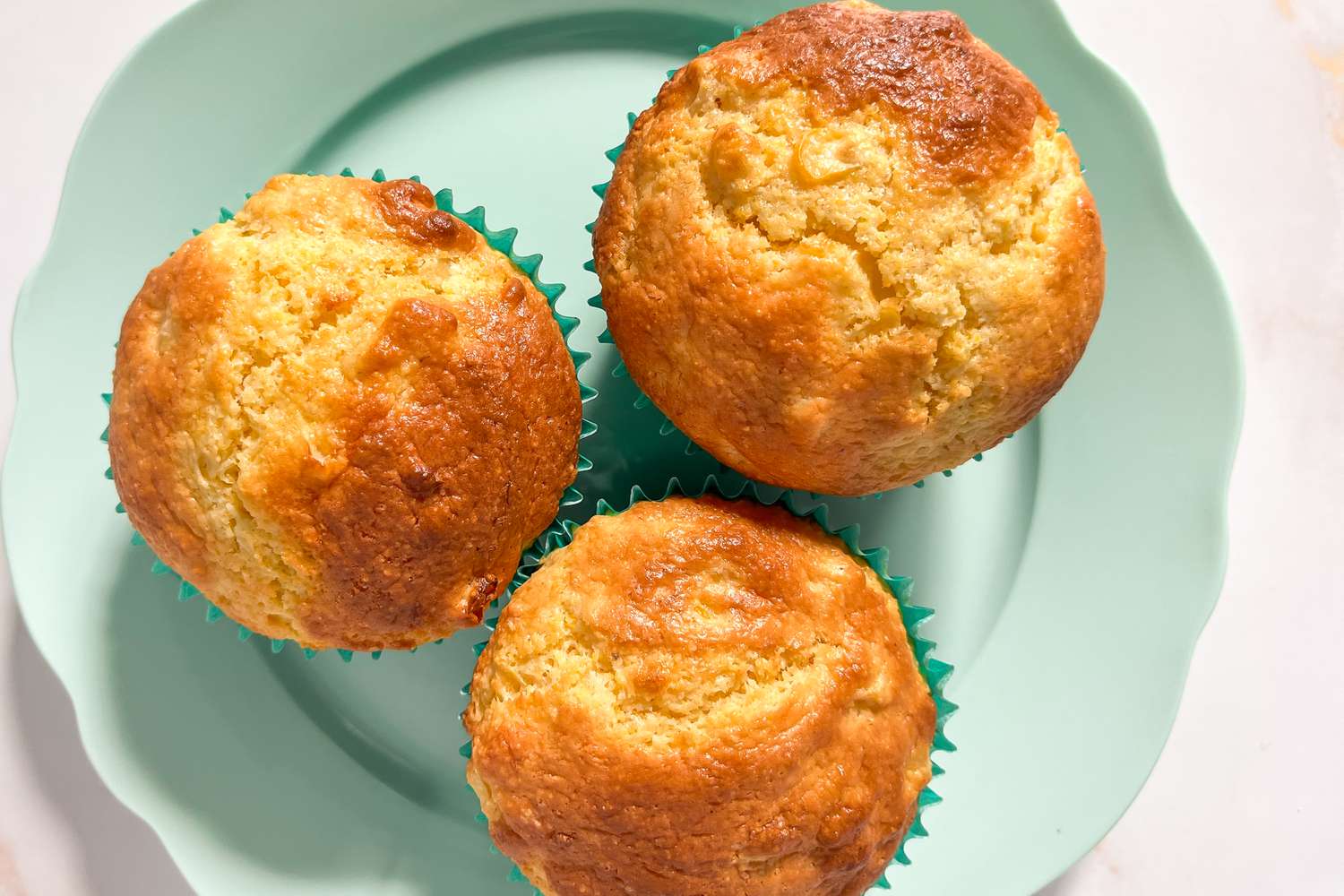
3. Heat oven to 400 degrees F. Uncover the dough pieces and place a raisin at the center of each of the spirals. Lightly beat the remaining 1 egg with 1 tbsp. water and brush each bun with egg mixture. Bake until buns are golden brown and cooked through, 16 minutes. Transfer buns to a wire rack and let cool for at least 10 minutes before serving.
*Note: If you happen to shape your dough into the bread-circle like I did above, it is really helpful to use a baking stone. Place your stone, or your parchment lined baking sheet in the center rack–if it is on a rack that is too high or too low, the top or the bottom will get over done and the middle will not finish cooking all the way through. This recipe makes a lot of rolls, so I was able to make two bread circles. Me being me, I tried to put them both in the oven at the same time, the bread stone on the bottom shelf and the parchment lined baking sheet in the middle. The bread on the stone cooked through, but the bottom of it was overdone, and the bread on the middle rack had a beautiful color to it and looked perfect–until I saw it two hours later and the middle had sunk–it hadn’t cooked all the way through. You live and you learn!
Food writing is an amazing cacophony of intertwining stories, memories, personal histories, tastes, descriptive scenes, politics, and opinions. The story becomes the essence, showcasing the flavor of the author. Sometimes, it seems, I can’t get enough and thankfully there is a ton out there I haven’t read. I love stories and histories that involve food because often times passion, excitement, and tremendous change are involved in the narrators life. Food allows us to work from an intuitive place, if we allow it to happen. Think of all those people you know who come home from their day jobs and then throw themselves into making a wonderful meal. Food gives us the space, and time, to exercise another part of the brain and soul that may have been shut off during the work day.
Food blogs today are everywhere–I’m sure you’ve noticed! And I am immensely grateful for all of you who take the time to read this one! Thank you! One thing that I try to do with my little space here is to be genuinely honest–not only with you, but with myself. Food in so many ways has become a catalyst for not only exploring and discovering myself and my passions, but also helping me describe the journey and how it feels. Eating is Art was started because, well, I believe that is true! It became a reminder for myself that my everyday actions were just as important as the big things I was trying to achieve and they have just as much impact on my life as do the bigger decisions. The blog has held me accountable to myself. It is satisfying to look back and have a record of projects I’ve done and how my approaches and thoughts have grown. It is also a place where I come to share a piece of myself, reflect, and bake. The blog has become a journey in which I hadn’t anticipated its affect. I look forward to writing, sharing, and to you.
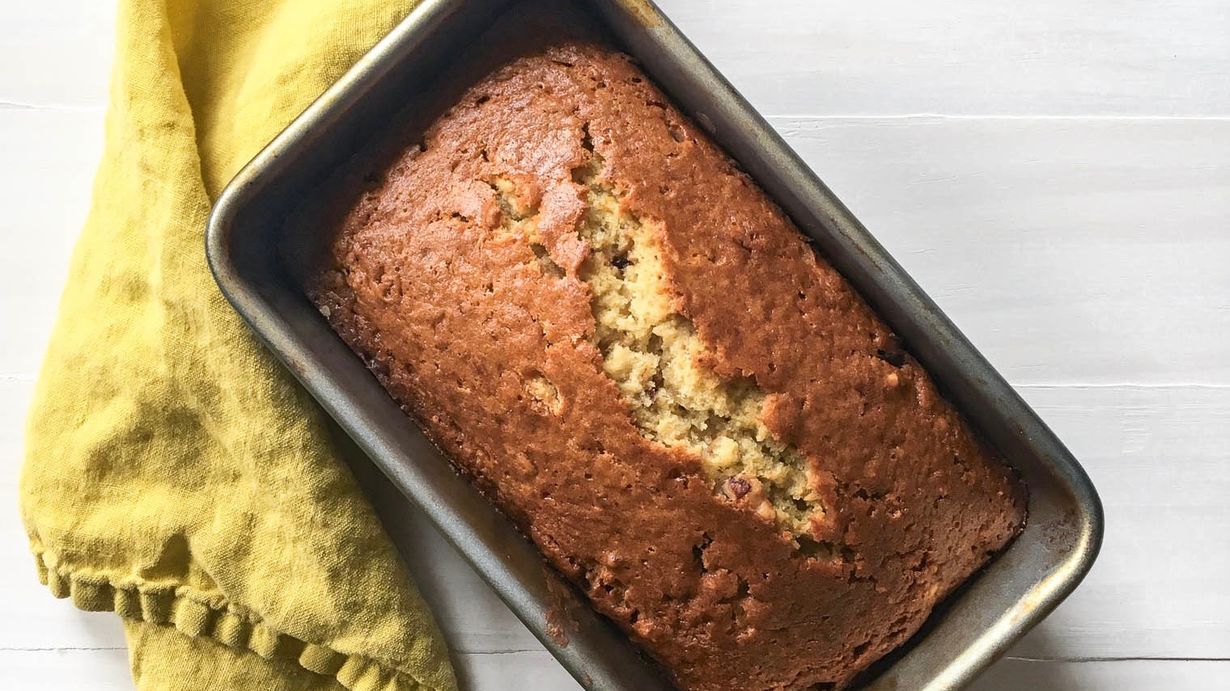
I made a wonderfully boozy Persimmon bread yesterday with a recipe from the Godfather of Cooking and food writing himself, James Beard. It was quite fruit-cake-esk, but not in a bad way. It is actually really festive tasting, with almost a cup of whiskey or bourbon used in it! The raisins, and nuts if you use them, meld wonderfully with the liquor flavoring and a hint of nutmeg finishes it off. I liked making it and eating it just to imagine James Beard doing so and then fully enjoying a warm slice himself. Plus, if you have 17 pounds of persimmons sitting around, all getting ripe at different times (thank goodness), this is a good recipe to have around
.
But before I dive into the recipe, here are some of my favorite (and random) excerpts from Life is Meals, by James and Kay Salter. A truly phenomenal read and interesting approach to food, writing, art, and life–each chapter corresponds to a different day of the year and had significance to the authors themselves or in the vast time line of history.
“Following a wedding in ancient Egypt, there was a kind of trial period for the marriage that took place not only in the sleeping quarters but also at the table. It was called ‘a year of eating,’ after which the bride and groom either parted or continued as a couple. Presumably, this took into account that a married couple would spend many more of their waking hours at the table than in bed, and this was where true compatibility lay.”
“Brillat-Savarin gave us the four indispensables for a dinner:
1. Food that was at least passable
2. Good wine
3. Agreeable company
4. Enough time
Among the elements that he felt were desirable, though not essential:
1. A maximum of twelve guests
2. The room cool (60-68 degrees F), amply lit, and the table linen fresh
3. The evening lasting until at least eleven, but not beyond midnight. “
“A poet’s hope: to be
Like some valley cheese,
Local, but prized everywhere.
–W.H. Auden”
“Throughout [Winston Churchill's] long life, he ate well and drank heartily and once described a meal as follows: ‘Well, dinner would have been splendid if the wine had been as cold as the soup, the beef as rare as the service, the brandy as old as the fish, and the maid as willing as the Duchess.”
“Alice Waters once observed that in her experience, you can tell whether a chef is a man or a woman by looking at your plate: a man builds a tower, a woman makes a nest.”

Persimmon Bread, via David Lebovits via James Beard
Adapted from Beard on Bread by James Beard.
3½ cups sifted flour
1½ teaspoons salt
2 teaspoon baking soda
1 teaspoon ground nutmeg
2 to 2½ cups sugar
1 cup melted unsalted butter and cooled to room temperature
4 large eggs, at room temperature, lightly beaten
2/3 cup Cognac, bourbon or whiskey
2 cups persimmon puree (from about 4 squishy-soft Hachiya persimmons)
2 cups walnuts or pecans, toasted and chopped
2 cups raisins, or diced dried fruits (such as apricots, cranberries, or dates)
1. Butter 2 loaf pans. Line the bottoms with a piece of parchment paper or dust with flour and tap out any excess.
2. Preheat oven to 350 degrees.
3. Sift the first 5 dry ingredients in a large mixing bowl.
4. Make a well in the center then stir in the butter, eggs, liquor, persimmon puree then the nuts and raisins.
5. Bake 1 hour or until toothpick inserted into the center comes out clean.
Storage: Will keep for about a week, if well-wrapped, at room temperature. The Persimmon Breads take well to being frozen, too.
There are some things that the camera just doesn’t have time to capture before we devour something in our house. My favorite gingerbread is definitely one of those things. I found this recipe while reading MFK Fisher’s The Art of Eating. I have only made this version since and I will continue to do so for all of time–it’s that good.

The flavors of this gingerbread hearken to an old-fashioned cake–spicy, extremely moist, and irresistible. It is not super sweet, somehow making it really easy to take large hunks each time you pass the kitchen (or, at least that is what I have been doing!). This gingerbread is what makes the dreary, cold, and rainy fall / winter days bearable for me because I think “there’s always gingerbread” that can be made. And I honestly look forward to it. There just seems something wrong with making this cake-like bread when it’s warm and sunny out–I’ve never been able to make myself do it. So I make sure to utilize the cold and cloudy days of the winter very wisely, with several of these made throughout the season
.
I had a massive persimmon picking session this weekend with the Portland Fruit Tree Project. We arrived at the designated spot and gazed at an amazingly bountiful persimmon tree, gluttonous for those sweet and tender fruits. They are now all lined up on my dining room window sill waiting for optimum ripening. I’ve been doing some good research about different uses for persimmons. So far, my favorite is for a pudding (which I’ve made before and was mind blowing).

But I now have 17 pounds of persimmons I have got to find something to do with. Any of you have a favorite recipe? Or have always wanted to try a recipe with persimmons but haven’t been able? I’d love to know because I’ve got a lot to use!
Edith’s Gingerbread, The Art of Eating
*This recipe is old–the original instructions are actually quite confusing because there are a lot of little steps to take with each ingredient. So, I’ve rewritten it in a way that I hope is easier for you to understand and easily follow more consecutively*
First
1/4 cup earth balance or butter (she calls for shortening–if you use it, try non-hydrogenated)
1/4 cup sugar
–Cream the butter and sugar together in a bowl.
Second
1/2 cup molasses
1/2 teaspoon baking soda
–Whisk the baking soda into the molasses well, then using a spatula transfer into the creamed butter and sugar bowl. Mix well.
Third
In yet another bowl, whisk together…
1 teaspoon cinnamon
1-2 teaspoons ginger (I like it on the spicy side)
1 teaspoon cloves
1/2 teaspoon salt
1 1/4 cups flour
1 teaspoon baking powder
–After you’ve whisked these, set bowl aside.
Fourth
3/4 cup boiling water
1/4 teaspoon baking soda
–Add the baking soda to the boiling water. Alternate adding to the creamed butter, sugar, molasses mixture with the dry ingredients.
Fifth
1 egg
–Add a slightly beaten egg to the entire mixture until combined.
Finally
Pour into a prepared (buttered and floured) square pan. Place into center rack in a preheated oven of 325 degrees F. Bake for 20 minutes or until a toothpick is inserted in the center and comes out clean. *I had to bake mine for about twice that amount of time (40 mins) and I am not sure if it is because of my oven in particular or if back then ovens were just a heckuva lot hotter due to being wood burning or something. Just make sure you check yours after 20 minutes, if it looks completely underdone and the center is still wobbly, not to worry, just put it back in there for ten more minutes, check it and it may even need five to ten more minutes after that to be completely baked in the middle.
This gingerbread is worth it!
Cheers!